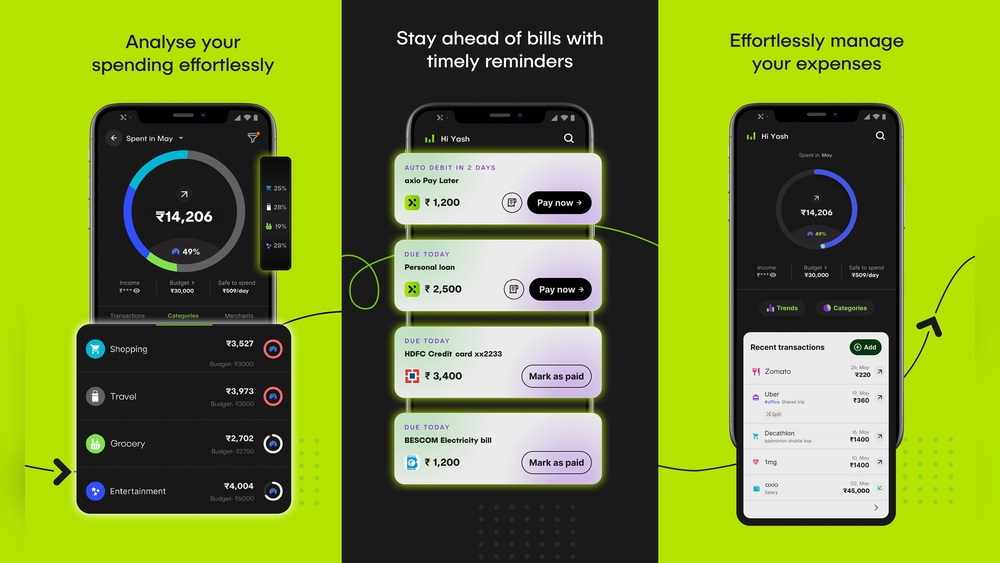
Are you tired of losing track of where your money goes every month? Managing daily spending doesn’t have to be stressful or complicated.
With the right tools, you can take control of your finances effortlessly. Imagine having an app that helps you see exactly how much you spend, sets budgets, and even alerts you before you overspend—all for free. You’ll discover the best free apps that make managing your daily expenses simple and effective.
Keep reading to find the perfect app that fits your lifestyle and helps you save more without the hassle.
Top Free Spending Apps For 2026
Managing daily expenses can feel tricky. A good app helps you track spending easily. Free apps save money and offer useful tools. Here are the top free spending apps for 2026 that you can use today.
Mint: All-in-one Budget Tracker
Mint is a popular app for tracking expenses and budgets. It connects to your bank accounts automatically. Mint categorizes your spending to show where money goes. You get alerts for bills and budget limits. The app’s clear charts help you see your finances fast.
Goodbudget: Envelope Budgeting Made Simple
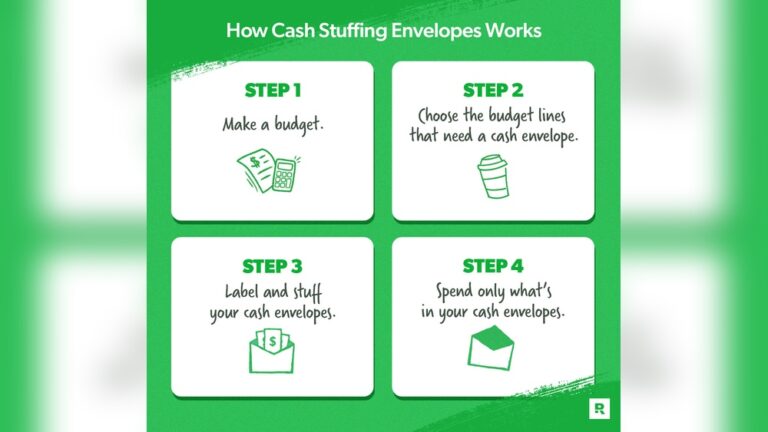
Goodbudget uses the envelope method to plan your spending. It helps divide money into categories like food and rent. You enter expenses manually or sync with your bank. The app works well for couples and families. It keeps your budget organized and easy to follow.
Personal Capital: Spending And Investment Tool
Personal Capital tracks daily expenses and investments together. It shows how spending affects your savings goals. The app offers tools for retirement planning too. It syncs with many financial accounts securely. You get a full picture of your money health.
Everydollar: Simple Budget Planner
EveryDollar makes budgeting quick and simple. You create a monthly budget and track spending by hand. The free version helps with basic expense tracking. It focuses on zero-based budgeting to assign every dollar a job. This app suits users who want a clear budget plan.
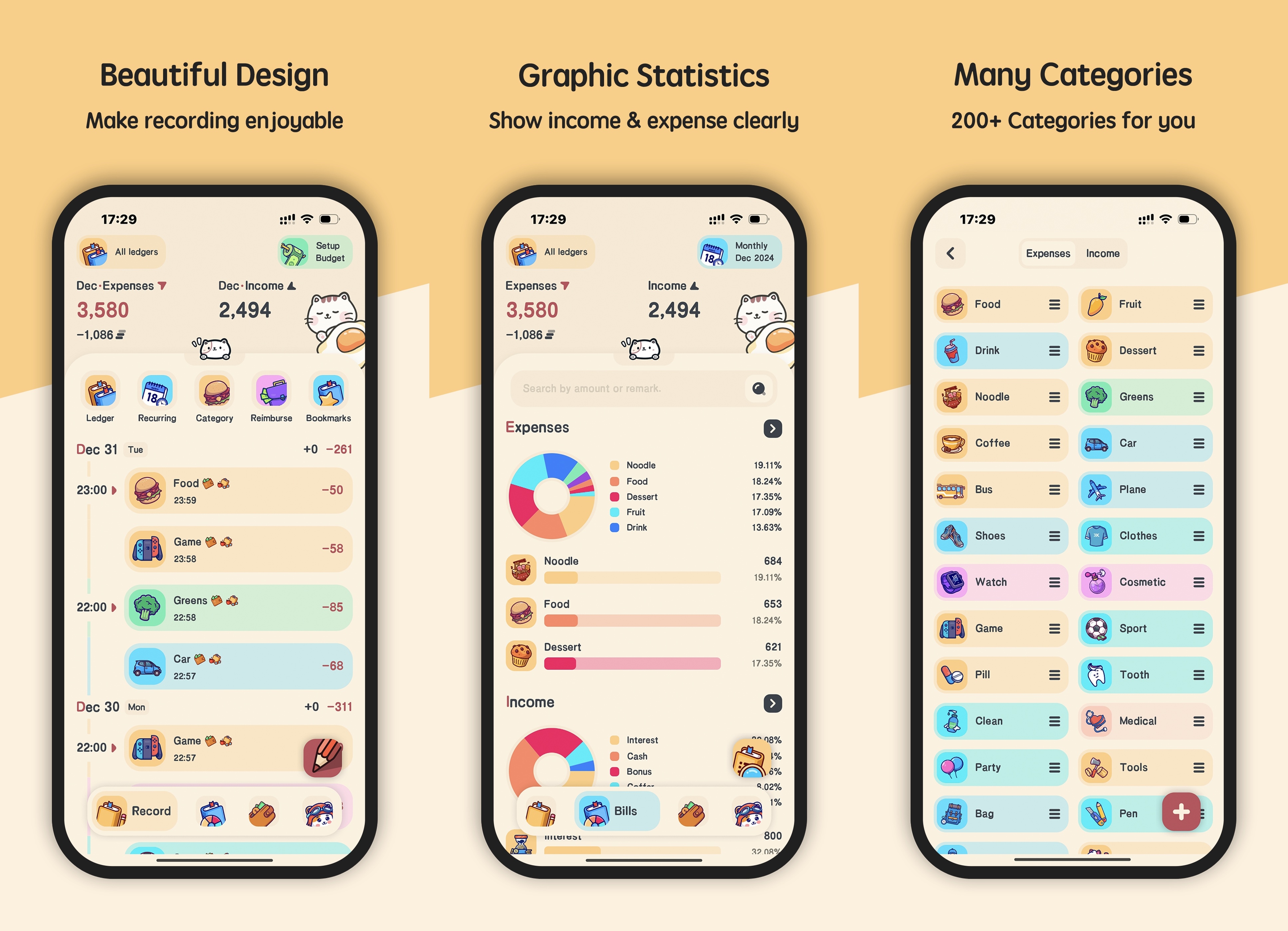
Credit: indianexpress.com
Key Features To Look For
Choosing the right app to manage daily spending means focusing on key features. These features help you track money and stay within your budget. They also make the app easy and safe to use every day. Here are the most important features to consider.
User-friendly Interface
An easy-to-use interface makes managing spending simple. Clear menus and simple buttons help you navigate the app fast. A clutter-free design keeps you focused on your money. Apps with a user-friendly interface reduce frustration and save time.
Budget Tracking Tools
Budget tracking tools show how much you spend and save. They let you set limits for different categories. Alerts notify you when you reach or exceed your budget. These tools help control spending and avoid debt.
Expense Categorization
Expense categorization sorts your spending into groups like food, transport, or bills. This helps you see where your money goes. Some apps allow custom categories for better tracking. Good categorization gives clear insights into spending habits.
Security And Privacy
Security protects your financial data from theft. Look for apps with encryption and password protection. Privacy policies should explain how your data is used. Trustworthy apps keep your information safe and private.
Cross-platform Sync
Cross-platform sync lets you access your data on phones, tablets, and computers. Changes made on one device update everywhere automatically. This feature keeps your spending data up to date. It adds convenience and flexibility to money management.
Apps For Budgeting Beginners
Starting to manage money can feel hard. Budgeting apps make it easier. They help track spending and save money. Beginners need apps that are simple and clear. The best apps guide users step by step. They show where money goes and how to save.
These apps do not need much time or skill. Users can see their budget in one place. No confusing features or hard settings. Just easy tools to help control daily spending.
Simple And Intuitive Options
Apps with a clean design work best for beginners. They have large buttons and clear labels. Users find it easy to add expenses and set limits. Visual charts help understand spending habits fast. No long tutorials or complex menus.
These apps focus on basic budgeting. They let users create categories like food, transport, and bills. Users get alerts if they spend too much. This keeps budgets on track without stress.
Automated Expense Tracking
Some apps link to bank accounts. They track expenses automatically. No need to enter every purchase by hand. This saves time and avoids mistakes.
Automatic tracking shows real-time spending updates. Users see how much money is left for the month. It helps plan better and avoid overspending. Beginners can learn good habits quickly.
Apps For Advanced Budgeters
Advanced budgeters need apps that offer more control and deeper insights. These apps help manage money with precision and ease. They provide tools to track every detail and adjust budgets freely. Such features help users stay on top of their financial goals.
Customizable Budget Plans
Advanced budget apps allow users to create their own budget categories. Users can set spending limits for each category. This flexibility fits unique financial situations. Some apps let users adjust budgets anytime. This helps adapt to changing income or expenses.
Many apps support multiple budget plans at once. For example, one for monthly expenses and another for savings goals. Users can personalize alerts for overspending. This keeps budgets realistic and useful.
Detailed Reports And Analytics
These apps provide clear reports showing where money goes. Users see spending patterns over weeks, months, or years. Graphs and charts make it easy to understand data. This helps identify wasteful habits and areas to save.
Advanced analytics include comparisons between planned and actual spending. Some apps show predictions based on past trends. This helps plan future budgets better. Users gain a complete picture of their financial health.
Apps With Unique Features
Some apps stand out with special features that make managing money easier. These unique tools help users save time and stay organized. They focus on key tasks beyond basic budgeting. Here are a few apps that offer distinct functions to improve daily spending management.
Receipt Scanning
Receipt scanning lets you capture and store purchase receipts instantly. You just take a photo, and the app extracts important details. This feature reduces manual entry and keeps records neat. It helps track expenses accurately and quickly.
Bill Reminders
Bill reminders alert you before due dates to avoid late fees. These apps send notifications so you pay bills on time. They organize payment schedules and keep your finances on track. Missing payments becomes less likely with this handy tool.
Investment Tracking
Investment tracking apps monitor your stocks, bonds, and other assets. They show your portfolio’s performance in real time. This feature helps you make informed decisions about money growth. It combines spending control with long-term financial planning.
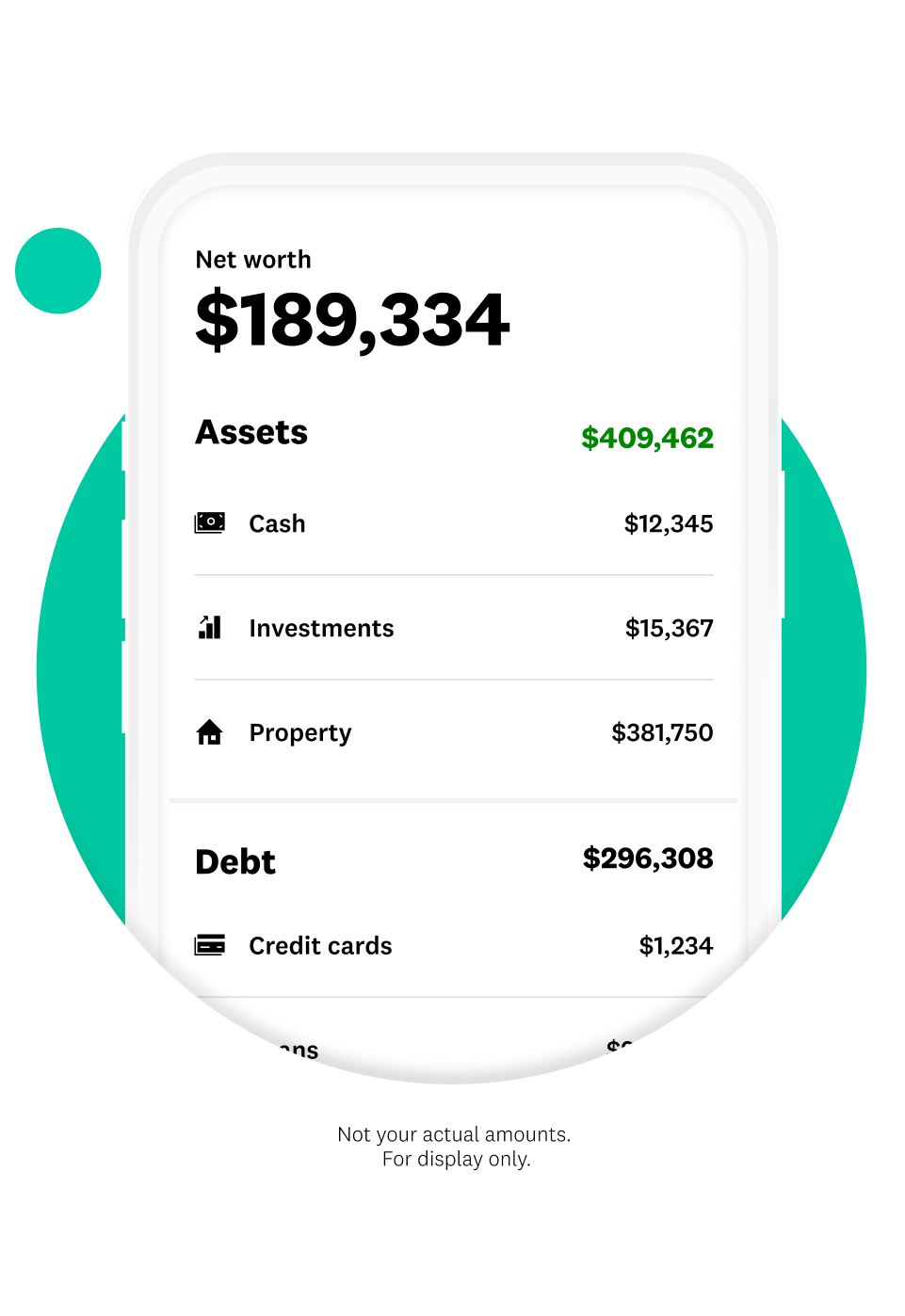
Credit: mint.intuit.com
Cross-platform Compatibility
Cross-platform compatibility is key for managing daily spending. It lets users track expenses anytime, anywhere. Apps that work on many devices help keep budgets up to date. This flexibility suits busy lives and varied tech preferences.
Ios And Android Support
Top spending apps support both iOS and Android. This means users with different phones can use the same app. It keeps data synced across devices. Users can enter expenses on one phone and see updates on another. The app’s design fits each platform well. This ensures smooth and easy use for all.
Web And Desktop Access
Many apps offer web and desktop versions. Users can manage spending on laptops or desktops. This access is useful for detailed budgeting and reports. It also helps when phones are not handy. Data syncs automatically between all platforms. This keeps information consistent and up to date everywhere.
Tips For Maximizing App Benefits
Using free apps to track daily spending works best with simple habits. Small steps help you get the most from these tools. Focus on keeping your app data fresh and accurate. Set budgets you can follow. Use app features like alerts to stay on track.
Regular Expense Updates
Enter your expenses every day. This keeps your spending data complete and clear. The more you update, the better your app shows where money goes. Avoid waiting days or weeks to add purchases. Real-time updates help spot overspending fast.
Setting Realistic Budgets
Create budgets that match your usual spending. Too tight budgets cause frustration and often fail. Start with amounts you can comfortably stay under. Adjust budgets over time as you learn your habits. Realistic goals keep you motivated to save money.
Using Alerts And Notifications
Turn on alerts for spending limits or bill due dates. Notifications remind you before you spend too much. They help avoid late fees and overdraft charges. Use these features to keep your budget on track without extra effort.

Credit: play.google.com
Common Pitfalls To Avoid
Using free apps to track daily spending can help save money. But many users make common mistakes. Avoid these pitfalls to get the best results from your app.
Understanding the risks and how to simplify your budget will improve your money management. Keep your data safe and your budget clear.
Ignoring App Security
Many people forget to check app security before using it. Financial apps hold sensitive information. A weak password or unsecured app can lead to data theft. Always choose apps with strong security features. Look for two-factor authentication and encryption. Regular updates from developers also improve safety. Never share your login details with others. Protect your financial information like you protect cash.
Overcomplicating Budget Categories
Creating too many budget categories causes confusion. It becomes hard to track where money goes. Stick to simple categories like food, bills, and transport. This makes it easier to see spending patterns. You can always add categories later if needed. Clear categories help you stay focused on your goals. Simple budgets are easier to update and follow daily.
Frequently Asked Questions
What Are The Top Free Apps To Track Daily Expenses?
Top free apps like Mint, PocketGuard, and Wally help track daily expenses easily. They offer budgeting tools, spending insights, and alerts. These apps sync with bank accounts for real-time updates. They help users control spending and save money effectively.
How Do Free Spending Apps Improve Money Management?
Free spending apps organize transactions, categorize expenses, and set budgets. They provide visual reports to identify spending patterns. Alerts prevent overspending and missed payments. This improves financial awareness and encourages better money habits.
Can Free Apps Sync With Bank Accounts Securely?
Yes, most free spending apps use bank-level encryption for secure syncing. They protect sensitive data with multi-factor authentication and privacy controls. Always choose apps with strong security features and positive user reviews to ensure safety.
Are Free Spending Apps Suitable For All Income Levels?
Absolutely, free spending apps cater to all income levels. They offer customizable budgeting tools and flexible expense tracking. Whether you earn little or a lot, these apps help manage finances smartly without extra cost.
Conclusion
Managing daily spending gets easier with the right free apps. These tools help track expenses and stay within budget. You can see where your money goes each day. Simple apps make saving money less stressful. Pick one that fits your needs and habits.
Start small and watch your spending improve. Regular use brings better financial control. Small changes lead to big results over time. Choose an app and take control today. Your wallet will thank you.