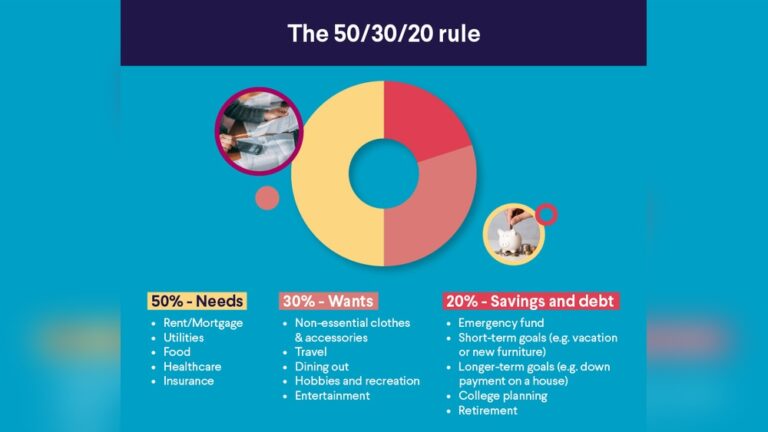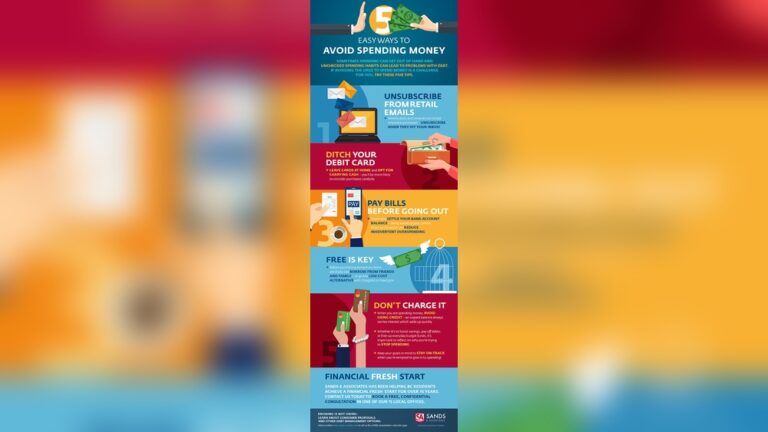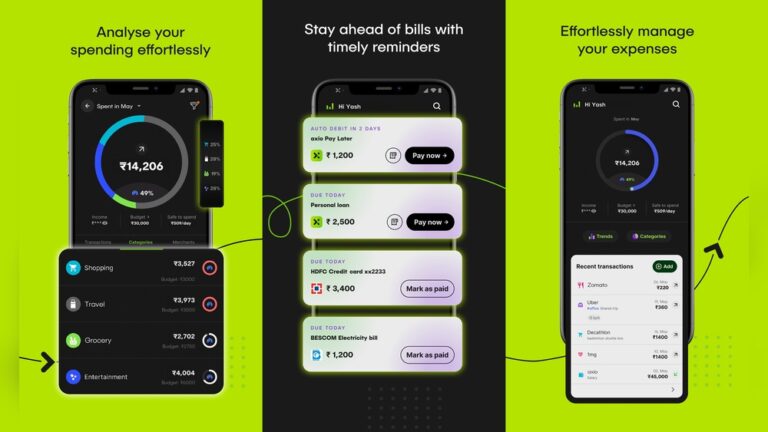

Imagine never having to worry about saving money again. What if your savings grew automatically, without you lifting a finger or remembering every month?
Sounds like a dream, right? But it’s not. By setting up automated savings, you can make sure your money moves to your savings account like clockwork. No stress, no missed opportunities. You’ll discover simple steps to automate your savings so you stay on track effortlessly.
Ready to take control of your financial future without the hassle? Keep reading—you’re about to unlock a game-changing habit that makes saving easy and automatic.
Why Automate Savings
Saving money is important, but it can be hard to do regularly. Many people forget to put money aside or spend it by mistake. Automating your savings means setting up your bank to move money for you. This helps you save without thinking about it.
Benefits Of Automated Savings
Automatic savings make saving easy. Money moves from your checking to savings account on a set schedule. You do not have to remember to save each time.
This method helps build good habits. Small amounts add up fast over time. You can save for emergencies, goals, or big purchases.
Automated savings reduce stress. You see your savings grow without extra effort. This can give you peace of mind and control over your money.
Common Challenges Without Automation
Without automation, saving money takes more effort. You must remember to transfer money every time.
People often spend money meant for savings by accident. This slows down progress and causes frustration.
Saving manually can lead to inconsistent amounts saved each month. Missing months or saving less can hurt your goals.
Without a system, it is easier to ignore saving. This can keep you stuck without building a financial safety net.
Choosing The Right Savings Account
Choosing the right savings account is key to making automated savings work well. The right account helps your money grow and stays easy to use. Picking one that fits your needs makes saving simple and stress-free.
High-yield Vs Traditional Accounts
High-yield savings accounts offer higher interest rates than traditional accounts. This means your savings grow faster over time. Traditional accounts may have lower rates but often come with fewer rules. Consider how much interest you want versus how easy the account is to use.
High-yield accounts usually require higher minimum balances. Some traditional accounts have no minimum balance. Choose based on how much money you plan to save regularly.
Access And Flexibility
Access to your money matters for automated savings. Some accounts limit the number of withdrawals each month. Others allow easy transfers between accounts. Check if the bank offers a mobile app or online banking for quick access.
Flexible accounts let you change your savings plan easily. This helps if your budget changes. Pick an account that fits your lifestyle and makes saving less of a hassle.
Setting Up Automatic Transfers
Setting up automatic transfers is a smart way to save money without thinking about it. This method moves money from your checking account to your savings account regularly. It helps build savings steadily and prevents the risk of forgetting to save each month.
Automatic transfers are simple to set up and give you control over how much and how often money moves. They make saving consistent and stress-free. Let’s explore the key steps to get started.
Linking Your Accounts
First, connect your checking and savings accounts. This step allows money to move between accounts safely. Most banks let you link accounts online or through their app. You may need account numbers and routing information to complete this.
Check that both accounts are at the same bank for easier transfers. If they are at different banks, transfers might take longer. Confirm your bank’s policies on external transfers to avoid delays.
Scheduling Transfer Frequency
Choose how often you want transfers to happen. Weekly, biweekly, or monthly are common choices. Pick a schedule that matches when you get paid. This helps ensure money is available for saving without causing overdrafts.
Set the transfer date carefully. Avoid days when bills are due or your balance is low. Regular schedules keep your saving habits steady and predictable.
Determining Transfer Amounts
Decide how much money to save each time. Start with an amount that feels comfortable for your budget. Even small amounts add up over time. Increase the amount as your income grows or expenses decrease.
Review your transfer amount regularly. Adjust it to fit changes in your financial situation. This keeps your savings on track without stress.

Credit: www.reiblackbook.com
Using Budgeting Apps And Tools
Using budgeting apps and tools can make saving money easier and more consistent. These apps help you track your spending and set aside money automatically. They take the effort out of saving by doing it for you. You no longer need to remember to transfer money each month.
With the right app, your savings grow quietly in the background. It fits well with your daily financial habits. You get alerts, reports, and easy ways to adjust your goals. This helps you stay on track without stress.
Top Apps For Automation
Several apps help automate your savings effectively. Digit analyzes your spending and moves small amounts to savings. Qapital lets you set rules like rounding up purchases to save spare change. Acorns invests your spare change automatically for future growth. Chime offers automatic savings transfers from your paycheck. These apps require little setup and work quietly behind the scenes.
Integrating Savings With Budgets
Combine your savings goals with your monthly budget for best results. Use apps like YNAB or EveryDollar to plan spending and saving together. Allocate a fixed amount each month for savings before budgeting expenses. This creates a habit of paying yourself first. Tracking your budget alongside savings helps prevent overspending. It gives a clear view of where your money goes. This integration makes saving consistent and stress-free.
Automating Savings For Specific Goals
Automating savings for specific goals helps you save money without thinking. Setting up separate savings for each goal makes tracking progress easy. You can reach your targets faster with steady deposits. Automation keeps your plan on track even during busy days.
Emergency Fund Automation
An emergency fund protects you from unexpected costs. Automate transfers to this fund right after payday. Small amounts build up over time. Choose a separate account to avoid spending this money. Regular deposits help you feel safe and prepared.
Vacation And Large Purchase Savings
Saving for trips or big buys becomes simple with automation. Set a fixed amount to move into a dedicated savings account. This prevents overspending and keeps your goal clear. Adjust the amount if your plans or income change. Watching your savings grow motivates you to stay consistent.

Credit: www.appventurez.com
Adjusting Automation Over Time
Automating your savings helps you build money without thinking. Over time, your needs and income may change. Adjusting your automation keeps your savings plan working well. Small changes can help you save more or less, depending on your situation. Regular reviews make sure your savings goals stay on track.
Increasing Savings Amounts
Start with an amount that feels easy to save. As your income grows, raise your savings. Even small increases add up over months and years. Set a reminder every few months to review your savings. Adjust the transfer amount to match your new budget.
Use your pay raises or bonuses to boost savings. This helps build a bigger fund faster. Avoid raising your amount too much at once. Increase slowly to keep your budget balanced and avoid stress.
Pausing Or Modifying Transfers
Sometimes, money needs change. You may need to pause savings during tough months. Most banks let you stop or change transfers easily. Use this option to avoid overdrafts or financial strain.
Lower your transfer amount if bills increase or expenses rise. You can resume or increase savings once your situation improves. Adjustments keep your plan flexible and realistic. This way, saving stays a positive habit, not a burden.
Avoiding Common Pitfalls
Automating your savings is smart and saves time. Still, some mistakes can cause trouble. Avoiding these common pitfalls keeps your savings on track and stress-free.
Overdraft Risks
Automatic transfers can cause overdrafts if your account lacks funds. This leads to fees and stress. Check your balance before each transfer. Set alerts to warn you of low funds. Choose smaller transfer amounts if needed. Some banks allow overdraft protection to avoid fees. This helps keep your account safe and savings steady.
Neglecting To Review Automations
Schedules and amounts may need updates over time. Income changes or new expenses affect your budget. Review your automatic savings at least once a month. Adjust transfer amounts to match your current situation. Ignoring these reviews can slow your progress. Regular checks keep your savings growing with your life.
Tips For Staying Motivated
Staying motivated is key to making automated savings work. It keeps you focused and committed over time. Small habits can build strong saving routines. Here are two practical tips to help you stay on track.
Tracking Progress
Watching your savings grow gives a clear picture of success. Use apps or spreadsheets to record each deposit. Check your progress weekly or monthly. Seeing numbers rise makes saving feel real and rewarding. It also helps spot any issues early. Tracking creates a habit and builds confidence.
Rewarding Milestones
Set small goals within your bigger savings plan. Celebrate each milestone with a simple treat. It could be a special meal or a small purchase. Rewards make saving enjoyable, not a chore. This positive feedback encourages you to keep going. Milestones mark progress and boost your motivation.
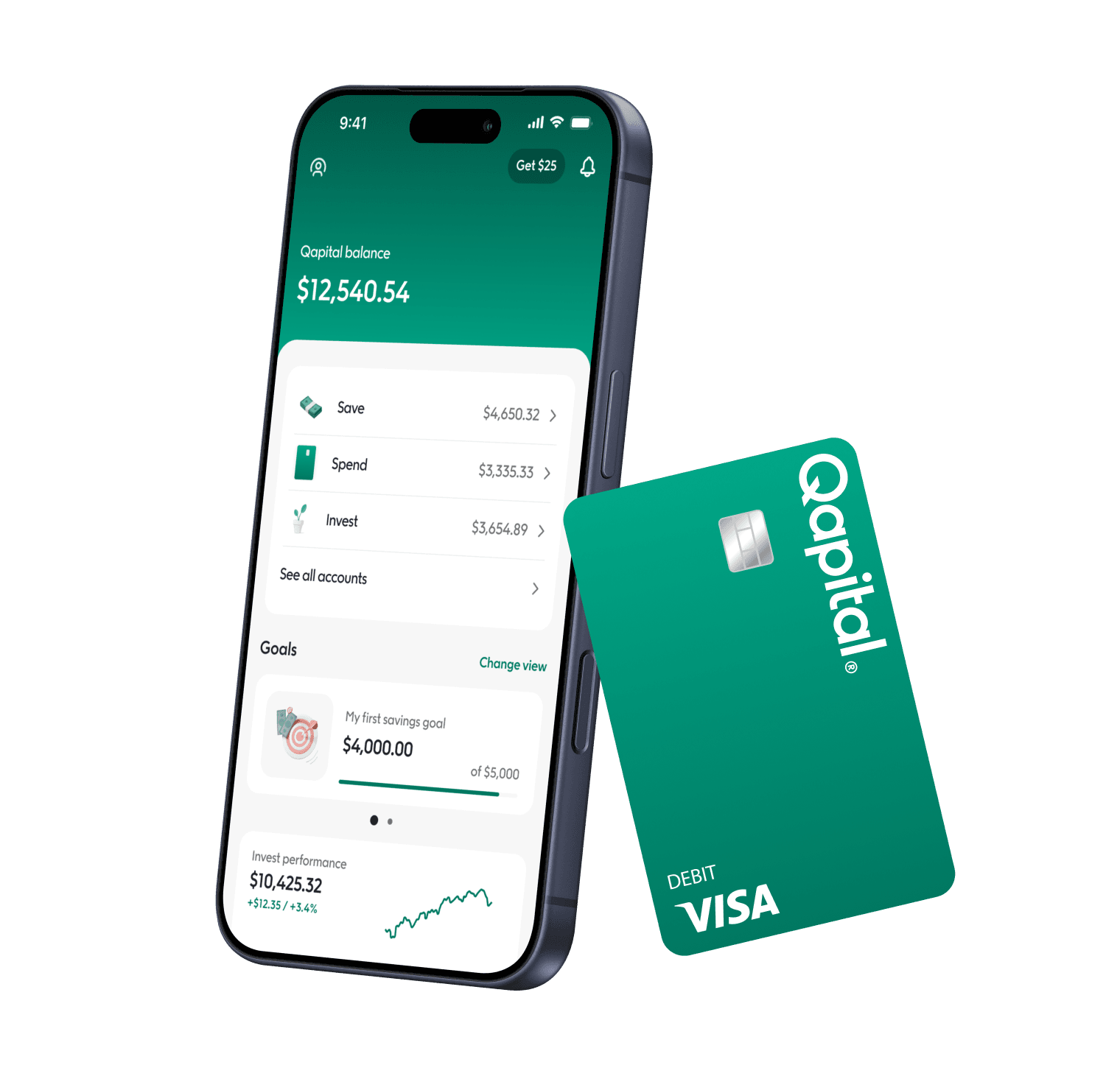
Credit: www.qapital.com
Frequently Asked Questions
What Does It Mean To Automate Your Savings?
Automating savings means setting up automatic transfers from your checking to savings account. It helps you save consistently without manual effort or forgetting to save each month.
How Can Automated Savings Help You Save More?
Automated savings remove the temptation to spend money. By transferring funds automatically, you save regularly and build wealth faster without thinking about it.
What Tools Can I Use To Automate Savings?
Most banks offer automatic transfer options. You can also use budgeting apps like Mint or Digit, which automate savings based on your spending habits.
Is Automated Saving Safe And Secure?
Yes, automated savings use secure banking channels. Banks and apps use encryption to protect your data and transactions, making it a safe way to save money.
Conclusion
Automating your savings makes money management simple and stress-free. It helps you save regularly without thinking twice. Small amounts add up over time, building a healthy financial cushion. Set it once, then watch your savings grow quietly in the background.
This habit creates discipline and keeps your goals on track. Start today and enjoy the peace that comes with steady saving. Your future self will thank you for making saving easy and automatic.