Are you sure your bank isn’t quietly charging you extra fees? Hidden charges can drain your account without you even noticing.
Learning how to audit your bank statements can save you money and give you control over your finances. You’ll discover simple steps to spot those sneaky fees and stop them from eating into your hard-earned cash. Keep reading to protect your money and make your bank work for you—not against you.

Credit: www.youtube.com
Spotting Common Bank Fees
Bank statements can hide many fees that reduce your balance. These fees often appear in small print or under unclear names. Spotting them early helps save money and avoid surprises.
Check each line on your bank statement carefully. Look for charges that repeat every month or pop up after certain transactions. Knowing common bank fees makes auditing easier and faster.
Monthly Maintenance Charges
Banks often charge a monthly fee just for holding your account. This fee can be small but adds up over time. Sometimes banks waive this fee if you keep a minimum balance. Check your statement for these charges and conditions.
Overdraft And Nsf Fees
Overdraft fees occur when you spend more than your account holds. Non-sufficient funds (NSF) fees happen if a payment bounces. Both fees can be high and may happen more than once. Watch for these charges, especially after large purchases.
Atm And Transaction Costs
Using out-of-network ATMs often costs extra. Each withdrawal or transaction might have a fee. Some banks charge for a set number of transactions monthly. Review your statement for these costs and count your ATM uses.
Foreign Transaction Fees
When you spend money abroad, banks may charge a foreign transaction fee. It is usually a small percentage of the purchase. These fees add up quickly if you travel or shop online internationally. Spot these fees to manage your spending better.
Credit: www.cardpaymentoptions.com
Gathering Your Bank Statements
Gathering your bank statements is the first step in auditing for hidden fees. You need all your statements in one place. This lets you check every charge and spot unusual fees easily.
Start by collecting recent statements. Aim for at least three months to get a clear view. You can gather these statements online or by mail.
Accessing Digital Statements
Most banks offer digital statements on their websites or apps. Log in to your account. Find the statements or documents section. Download each statement as a PDF file. Save them on your computer or phone for easy access.
Digital statements are quick to get. They also let you search for specific fees using keywords. This saves time and effort during your audit.
Requesting Paper Statements
Some banks still send paper statements by mail. You can request these if you prefer paper copies. Call your bank’s customer service or visit a branch. Ask for statements from the months you need.
Paper statements help if you like to mark or highlight fees. Keep them safe in a folder to avoid loss. Paper copies can support your audit if digital access is limited.
Organizing Statements By Date
Arrange all your statements in order. Start with the oldest and end with the newest. Use folders or binders to keep them neat. Label each statement with the month and year.
Organizing by date helps you track fees over time. It makes comparing charges easier. You will spot patterns or repeated fees that need attention.
Identifying Hidden And Unexpected Fees
Bank statements can hide fees that you might not expect. These fees can slowly take money from your account. Knowing how to find these fees helps you save money and avoid surprises. It starts with careful checking and understanding what each charge means.
Comparing Fees Across Accounts
Check your fees by comparing them with other accounts. Different accounts may charge different fees for similar services. Compare monthly fees, ATM charges, and overdraft costs. This helps you see if your account costs too much. Switching accounts might save you money.
Looking For Unfamiliar Charges
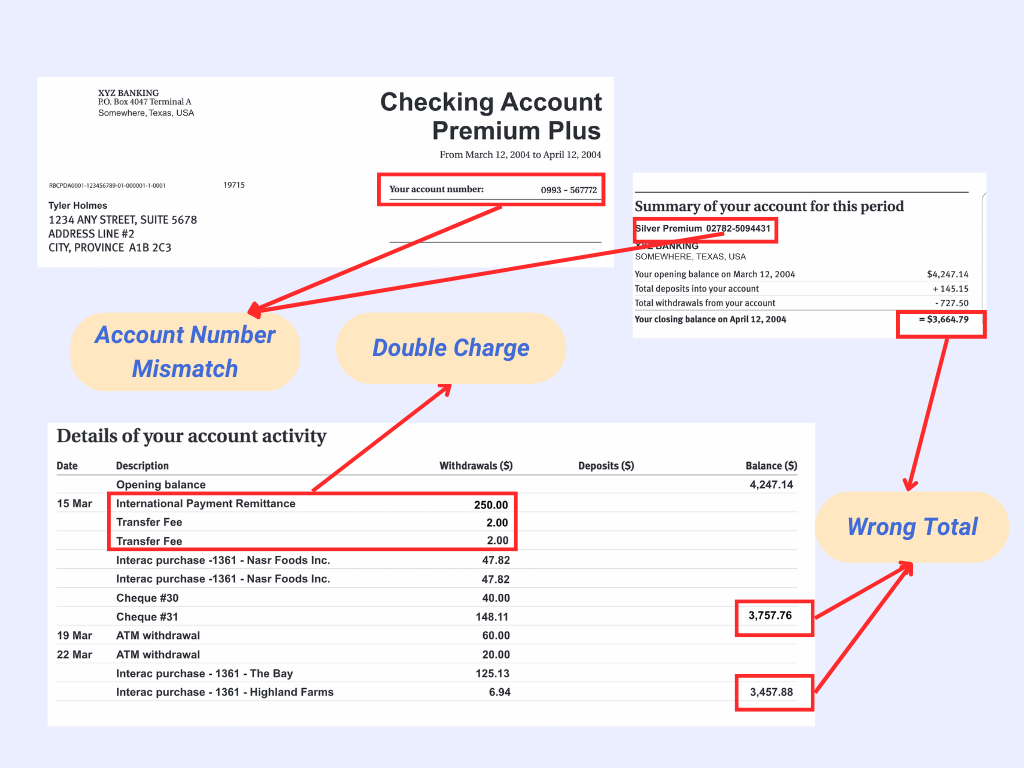
Scan your statement for any charges you don’t recognize. These can be small and easy to miss. Unfamiliar charges might be errors or scams. Write down any strange fees and ask your bank about them. Do this regularly to catch problems early.
Recognizing Recurring Fees
Spot fees that appear every month or quarter. These often include maintenance or service fees. Recurring fees add up over time and reduce your savings. Decide if these fees are necessary or if you can avoid them. Some banks waive fees if you meet certain conditions.
Tools To Simplify Your Audit
Auditing your bank statements can feel like a big job. Many tools help make this task easier. These tools help you find hidden fees fast. They also help you organize your spending clearly. Using the right tools saves time and avoids mistakes.
Using Spreadsheet Software
Spreadsheet software like Excel or Google Sheets helps track your expenses. You can list all transactions and sort them by date or amount. This makes spotting unusual fees easier. You can also add formulas to sum fees or highlight high charges. Spreadsheets let you keep a clear record for future audits.
Leveraging Banking Apps
Most banks offer mobile apps with detailed transaction views. These apps show fees next to each transaction. You can quickly check charges on your phone anytime. Many apps let you search for keywords like “fee” or “charge.” Notifications about new fees help you act fast. Banking apps keep your audit close at hand.
Automated Expense Trackers
Expense tracker apps automatically collect your bank data. They sort your spending into categories. These apps flag unusual fees or repeated charges. You get alerts for suspicious or hidden costs. Trackers provide charts and reports for easy review. They make auditing your bank statements simple and clear.
Strategies To Reduce Or Eliminate Fees
Reducing or removing bank fees can save you money every month. Simple strategies help control these costs. Start by understanding your bank’s fee structure. Then, take steps to lower or stop the fees.
Small changes can lead to big savings. Many banks offer options that cost less or nothing at all. Staying alert and proactive makes a difference.
Negotiating With Your Bank
Talk to your bank about the fees you see. Banks often waive fees for loyal customers. Explain your situation clearly and politely. Ask if they can reduce or remove fees. Sometimes, simply asking works well.
Make sure to mention any long-term relationship with the bank. Highlight your good account history. This shows you are a valuable customer. Keep notes of your conversation for future reference.
Switching To Fee-free Accounts
Look for accounts with no monthly fees. Many banks offer free checking or savings accounts. These accounts usually have fewer or no hidden fees. Compare different banks and their offers. Choose the one that fits your needs best.
Switching accounts may take some time. Prepare to update your direct deposits and payments. The effort can be worth the money saved on fees.
Setting Up Alerts And Limits
Use your bank’s alert tools to track fees. Set alerts for low balances or large transactions. These warnings help avoid overdraft fees. Limits prevent spending beyond your balance. Alerts keep you aware of your account activity.
Most banks offer free text or email alerts. Check your settings regularly to stay informed. This simple step can stop fees before they happen.
Credit: www.docuclipper.com
Maintaining Fee Awareness Moving Forward
Staying aware of bank fees helps protect your money. It stops surprises on your monthly statement. Being alert lets you spot fees early. This way, you can act fast and avoid losing more money. Keeping fee awareness is a smart habit to build over time.
Regular Statement Reviews
Check your bank statements every month. Look for charges you do not recognize. Note any new or increased fees. Regular reviews keep you in control. This habit helps catch errors or hidden fees quickly.
Staying Informed On Bank Policies
Know your bank’s fee rules. Banks may change fees without much notice. Read emails or letters from your bank. Visit their website to see updates. Staying informed helps you avoid unexpected charges.
Monitoring Account Activity
Track your spending and deposits daily. Use mobile apps or online banking tools. Alerts can notify you about large or unusual transactions. Monitoring activity helps spot mistakes and unauthorized fees fast.
Frequently Asked Questions
How Can I Identify Hidden Fees On Bank Statements?
Look for unusual charges or fees without clear descriptions. Compare transactions with your bank’s fee schedule. Check for repeated fees like maintenance or overdraft charges.
What Are Common Hidden Bank Fees To Watch For?
Common hidden fees include overdraft fees, ATM fees, maintenance fees, and transaction fees. Review your statements monthly to catch these charges early.
How Often Should I Audit My Bank Statements?
Audit your bank statements monthly. Regular checks help spot errors and unauthorized charges quickly. This practice prevents unexpected financial losses.
Can I Dispute Hidden Fees On My Bank Statement?
Yes, you can dispute incorrect or unauthorized fees. Contact your bank’s customer service with evidence. Most banks will investigate and refund if fees are unjustified.
Conclusion
Auditing your bank statements helps spot hidden fees fast. It saves money and keeps your finances clear. Check each charge and question anything unclear. Small fees can add up over time. Stay alert and review statements regularly. This simple habit protects your hard-earned cash.
Take control of your banking today.