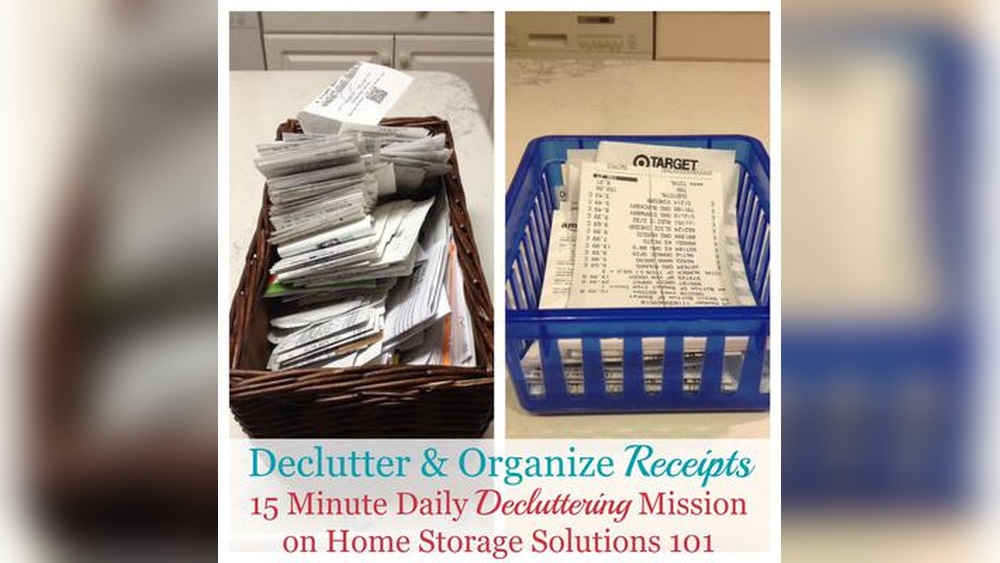
Are your bills and receipts scattered everywhere, making tax time and budgeting a stressful mess? Imagine a simple, smart system that lets you find any bill or receipt in seconds—no more digging through piles of paper or endless digital folders.
You deserve an easy way to keep your financial records clear and accessible. You’ll discover the smartest way to organize your yearly bills and receipts, saving you time, money, and headaches. Keep reading to unlock a method that will transform how you handle your finances forever.
Benefits Of Organizing Bills And Receipts
Keeping your bills and receipts organized brings many benefits. It makes your financial life easier and clearer. You spend less time searching for papers. You avoid mistakes in your money records. You can prepare your taxes faster and without stress. These benefits help you manage money smartly all year long.
Saving Time And Reducing Stress
Organizing bills and receipts saves time. You find documents quickly when needed. No more digging through piles of paper. This reduces stress during busy days. You stay calm knowing everything is in order. Less time wasted means more time for important tasks.
Improving Financial Accuracy
Clear records help avoid errors in spending and payments. You can track your expenses better. This prevents missed or double payments. Accurate information helps you make smart money choices. It also helps spot any unusual charges fast.
Simplifying Tax Preparation
Well-organized receipts make tax time easy. You have all proof of expenses ready. No last-minute scrambling to find papers. This speeds up filing and reduces mistakes. You get the best possible tax refund or credit.

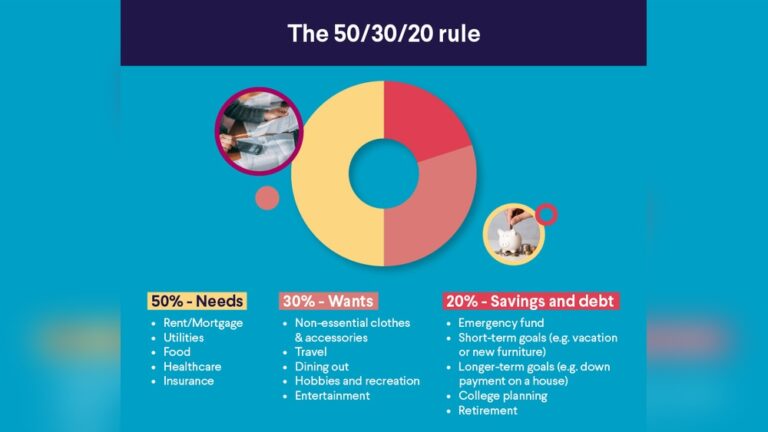
Credit: use.expensify.com
Choosing The Right System
Choosing the right system to organize your yearly bills and receipts saves time and stress. A good system helps you find documents quickly. It keeps your records safe and easy to manage. Picking between digital and paper methods depends on your habits and needs. This section explores options and offers tips to set up an efficient system.
Digital Vs Paper Organization
Digital organization uses apps and cloud storage for bills and receipts. It reduces paper clutter and allows quick searching. You can access files from any device. Paper organization means using physical folders and files. It works well for those who prefer hard copies and easy handling. Paper needs space and regular upkeep. Digital files need backups and some tech skills. Choose the method that fits your lifestyle and comfort.
Popular Tools And Apps
Many apps help manage bills and receipts digitally. Apps like Expensify, QuickBooks, and Evernote are popular. They let you scan, store, and categorize documents. Some apps send reminders for due bills. Cloud storage services like Google Drive and Dropbox also work well. They keep files safe and accessible anywhere. Pick tools that are simple and meet your needs. Test a few apps to see which feels easiest to use.
Setting Up A Filing Structure
Create clear categories for bills and receipts. Use labels like utilities, insurance, and medical expenses. Organize files by month or year for easy tracking. For paper, use folders or binders with tabs. For digital, create folders on your device or cloud. Keep file names consistent and descriptive. Regularly update and clean your files to avoid clutter. A simple system saves time and reduces mistakes.
Sorting And Categorizing Documents
Sorting and categorizing your bills and receipts makes managing finances easier. It reduces stress and saves time when you need to find a document. Keeping papers in order helps you track payments and avoid missing due dates.
Start by grouping your documents in clear categories. This step creates a simple system to follow throughout the year. Use labels, folders, or digital tools to keep everything in place.
By Bill Type
Separate bills by their type, such as utilities, credit cards, and subscriptions. Group similar bills together for quick access. This method helps you see what expenses you have each month.
Use folders or envelopes labeled with the bill type. It makes filing and retrieval fast and simple. You can also color code these categories for easy spotting.
By Due Date
Organize bills by their due dates in order of payment deadlines. This system helps prioritize which bills to pay first. It prevents late fees and keeps your credit healthy.
Create a calendar or checklist with due dates marked clearly. Check off bills once you pay them to avoid confusion. This method keeps your payments on track every month.
By Payment Status
Sort documents by whether bills are paid, unpaid, or pending. This separation shows your current financial standing at a glance. It helps you avoid double payments or missed bills.
Use folders or digital tags to mark payment status. Move bills to the paid folder after clearing them. This simple habit keeps your records updated and tidy.

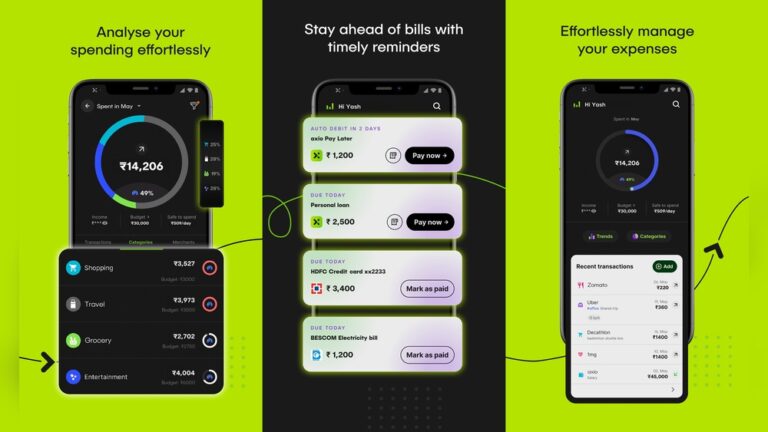
Credit: turbotax.intuit.com
Storing Bills And Receipts Safely
Keeping bills and receipts safe is important for managing your finances. It helps you find documents quickly and protects against loss or damage. Organizing these papers carefully saves time and stress later. Both physical and digital storage have key roles in this process.
Physical Storage Tips
Use sturdy folders or envelopes to keep papers neat. Label each folder with the month or type of bill. Store them in a dry, cool place to avoid damage. Avoid folding receipts to keep them readable. A filing cabinet or box works well for long-term storage. Check your papers regularly to remove anything unnecessary.
Secure Digital Storage
Scan all bills and receipts to create digital copies. Save files in clear folders on your computer or cloud storage. Use strong passwords to protect your digital files. Choose reliable cloud services with encryption for extra safety. Organize files by date or category for easy access. Avoid saving sensitive information on public or shared devices.
Backup Strategies
Keep backup copies of important documents in a separate location. Use an external hard drive or USB stick for offline backups. Make regular updates to your backups to avoid missing new files. Cloud storage can serve as an automatic backup option. Test your backups occasionally to ensure files open properly. Having multiple backups reduces risk of permanent loss.
Tracking Payments Efficiently
Tracking payments efficiently keeps your bills and receipts organized. It helps avoid missed payments and late fees. A clear system saves time and reduces stress. Simple tools and methods can make tracking easy.
Creating A Payment Calendar
Set up a calendar for all your bills and due dates. Mark each payment day clearly. Use different colors for types of bills like utilities, credit cards, or rent. This visual aid helps you see what is due soon. Update the calendar whenever you receive new bills.
Automating Reminders
Use phone alerts or email reminders for upcoming payments. Set reminders a few days before the due date. This gives you time to prepare the money. Many banks and apps offer free automatic reminders. Choose the method that fits your routine best.
Monitoring Account Statements
Check your bank and credit card statements regularly. Confirm that all payments are processed correctly. Spot any errors or fraudulent charges early. Keep digital or printed copies of statements for reference. This habit keeps your finances in good shape.

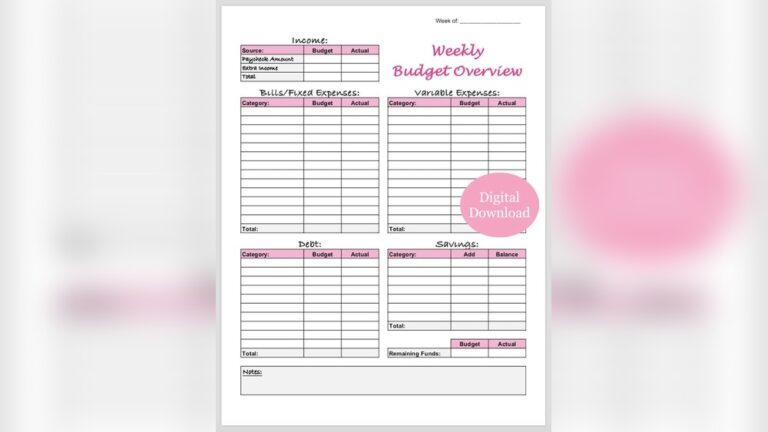
Credit: nicelydone.club
Handling Disputes And Errors
Handling disputes and errors in your yearly bills and receipts is important. Mistakes can cause confusion and extra charges. Recognizing and fixing these issues early saves time and money. Keeping clear records helps support your case during disputes.
Identifying Common Issues
Look for unusual charges or amounts that seem wrong. Check for duplicate bills or payments. Watch for missing credits or discounts. Errors often happen due to data entry or system glitches. Spotting these problems early avoids bigger troubles later.
Steps To Resolve Discrepancies
Start by reviewing the bill carefully. Compare it with your receipts and previous bills. Contact the company’s customer service to report the error. Provide clear details like dates, amounts, and account numbers. Stay calm and polite to get faster help. Follow up until the issue is fixed.
Keeping Records For Disputes
Save all bills, receipts, and correspondence related to the dispute. Use folders or digital files to keep them organized. Record phone calls or chats if possible, noting dates and names. These records prove your case and speed up resolution. Always back up digital copies in a safe place.
Reviewing And Updating Your System
Reviewing and updating your bill and receipt system keeps it effective and stress-free. Over time, your needs change. Your system should change too. Regular checks help catch errors and keep everything in order.
Monthly And Quarterly Reviews
Set a time each month to check your bills and receipts. Look for missing payments or misplaced papers. Every three months, do a deeper check. This keeps your records clear and up to date. Small reviews stop big problems later.
Adjusting For Life Changes
Major events affect your finances. Moving to a new home, changing jobs, or having a baby means your system must adapt. Add new categories or folders as needed. Keep your system flexible to fit your life’s changes.
Improving Organization Over Time
Try new tools or methods to make organizing easier. Use apps, labels, or different folders to sort your documents. Learn from past mistakes and fix weak spots. Improving your system bit by bit saves time and stress later.
Frequently Asked Questions
How Do I Start Organizing Yearly Bills Efficiently?
Begin by gathering all bills and receipts in one place. Sort them by type and date. Use folders or digital apps for easy access and tracking throughout the year.
What’s The Best Method To Store Paper Receipts?
Use labeled envelopes, binders, or accordion files for physical storage. Organize receipts by month or category to simplify retrieval during tax season or budgeting.
Can Digital Tools Help Manage Yearly Bills And Receipts?
Yes, digital tools like apps and cloud storage streamline bill and receipt management. They offer reminders, easy access, and reduce physical clutter effectively.
How Long Should I Keep Yearly Bills And Receipts?
Keep bills and receipts for at least three to seven years. This duration covers tax audits, warranty claims, and financial record-keeping needs.
Conclusion
Organizing your yearly bills and receipts saves time and stress. Keep all documents in one place. Sort them by date or type for easy access. Use folders or digital apps to stay neat. Regularly update your system to avoid clutter.
This simple habit helps track expenses and prepare taxes faster. Start small, stay consistent, and see the benefits grow. Good organization makes managing money clearer and less stressful. You’ll feel more in control every year.