Managing your money doesn’t have to be confusing or overwhelming. Imagine having a simple rule that helps you spend wisely, save steadily, and still enjoy life.
That’s exactly what the 50/30/20 rule does for your budget. By breaking down your income into clear, easy parts, you can take control of your finances without stress. Keep reading to discover how this straightforward method can transform the way you handle your money—and bring you closer to your financial goals.
What Is The 50/30/20 Rule
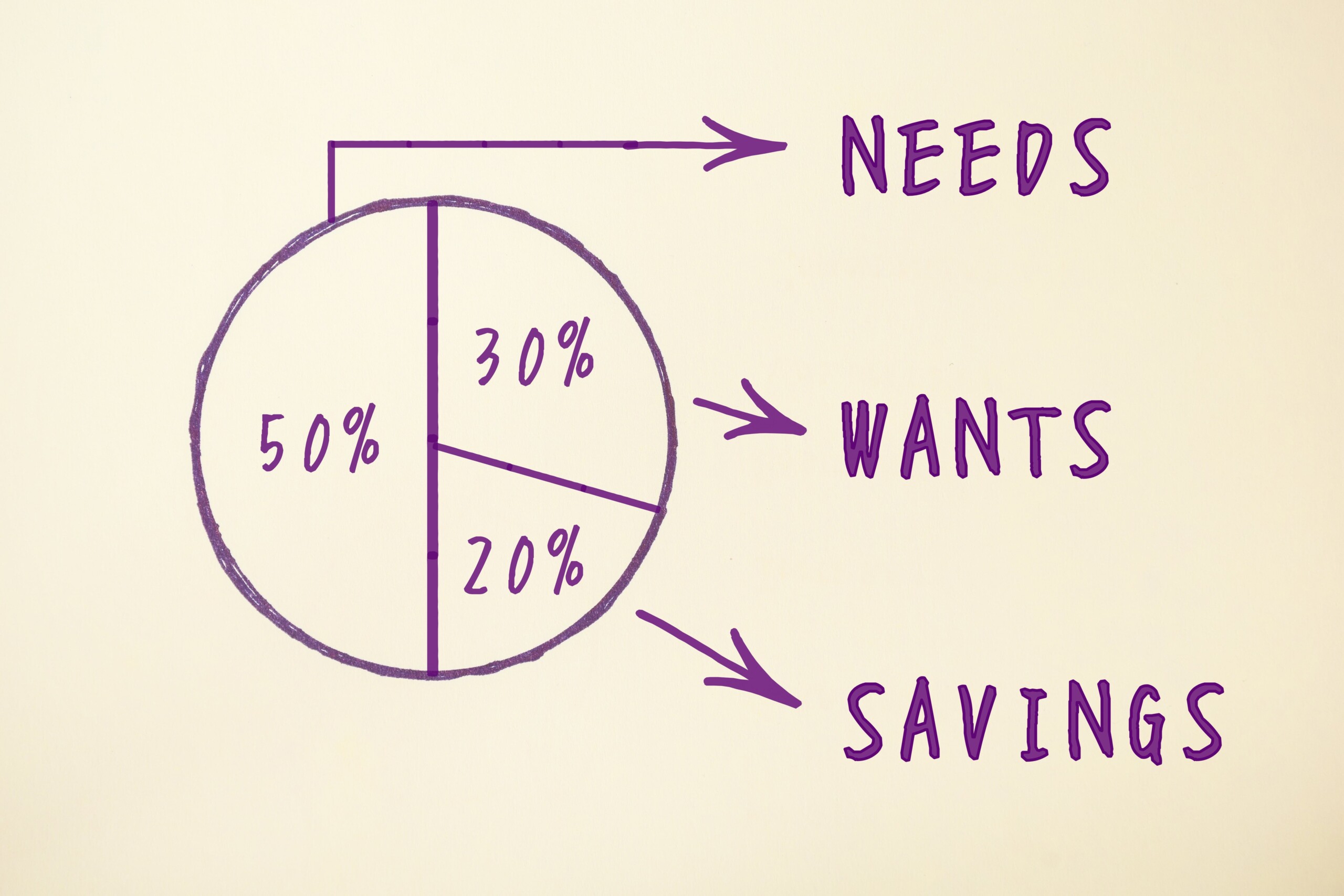
The 50/30/20 rule divides your income into three parts: needs, wants, and savings. Allocate 50% for essentials, 30% for fun, and 20% for saving or debt. This simple plan helps control spending and build financial security.
What Is The 50/30/20 Rule?
The 50/30/20 rule is a simple budgeting method. It helps you divide your income into three main categories. This rule guides how much money to spend, save, and use for needs and wants.
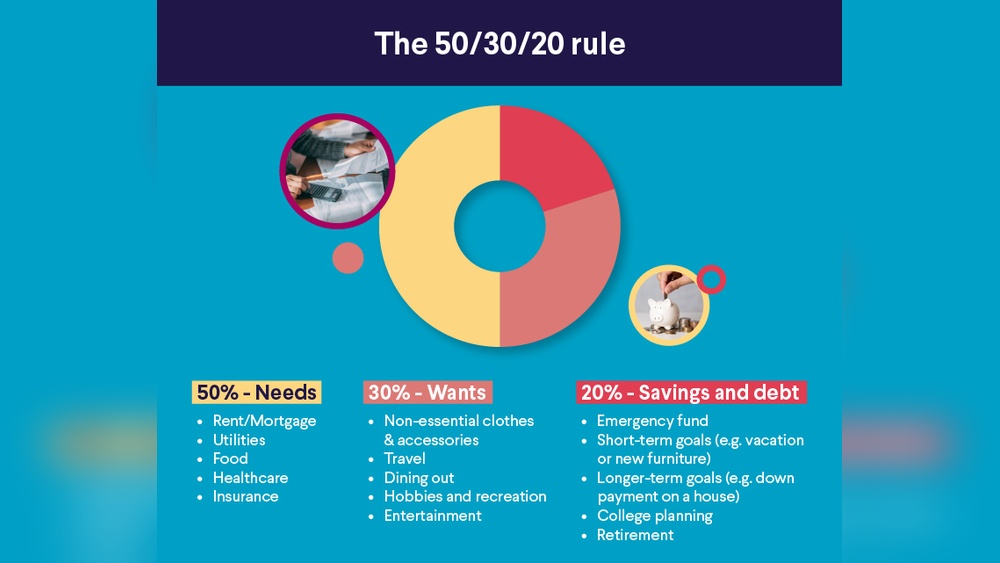
It splits your after-tax income into 50% for needs, 30% for wants, and 20% for savings or debt repayment. This clear structure makes managing money easier and less stressful.
Understanding The 50% For Needs
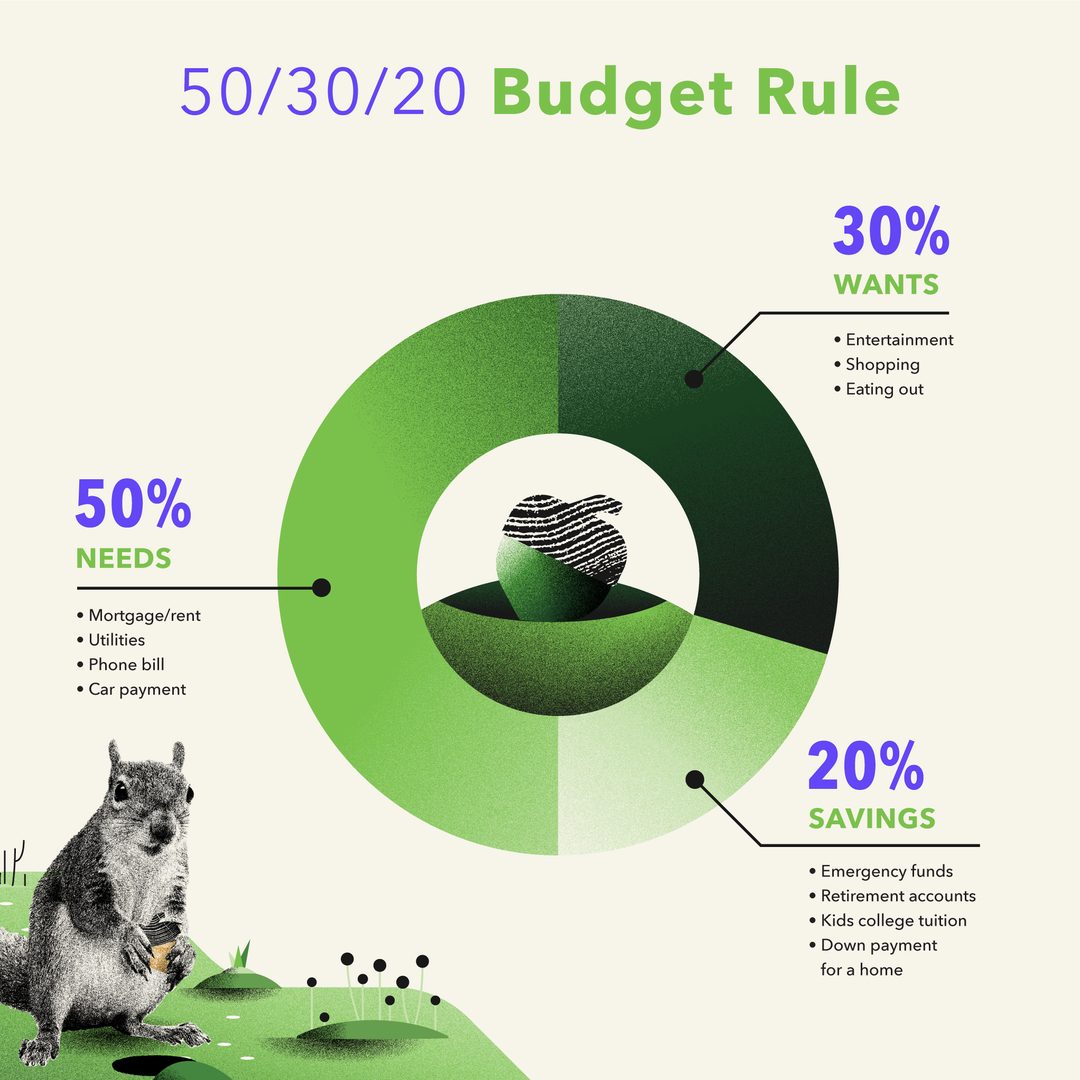
Needs are essentials required for daily living. They include rent, utilities, groceries, and transportation. This 50% budget helps cover all must-pay bills and basic expenses. It ensures you have enough for important costs without overspending.
The 30% For Wants Explained
Wants are things that improve life but are not essential. Examples are dining out, hobbies, and entertainment. The 30% limit keeps fun spending in check. It allows enjoyment without harming your financial health.
Allocating 20% For Savings And Debt
This portion focuses on building financial security. It includes saving money, investing, and paying off debts. Using 20% here helps create an emergency fund and reduces financial stress over time.
Credit: www.rubytuesday.com
Breaking Down The 50 Percent Needs
The 50 percent category in the 50/30/20 rule focuses on your essential needs. These are expenses you must pay to live and work. Covering these costs first helps keep your budget balanced and your life stable.
Essentials include housing, food, transportation, and utilities. These costs are non-negotiable. You cannot skip rent or electricity bills without consequences. Understanding what counts as needs helps you plan wisely.
Essential Expenses To Cover
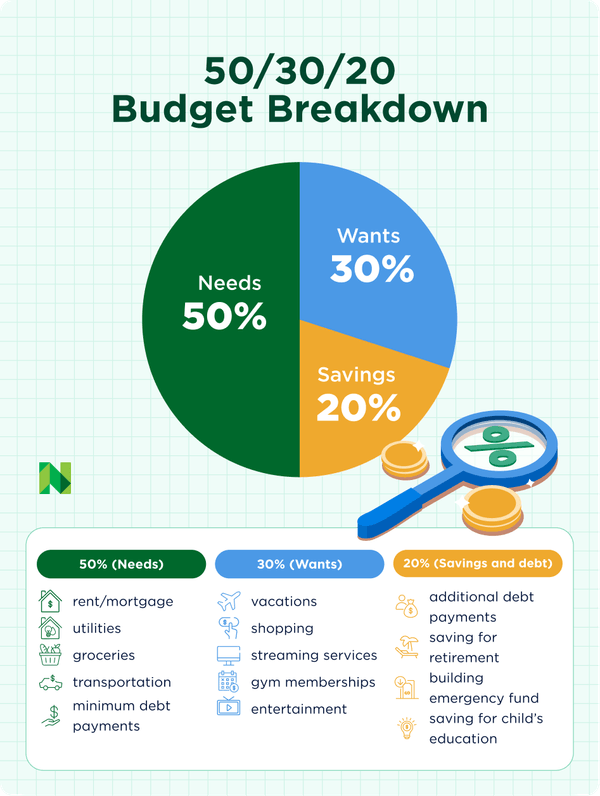
Start with your rent or mortgage payments. These usually take the largest part of the needs budget. Next, add utility bills like electricity, water, and heating. Include groceries needed for daily meals. Transportation expenses such as gas, public transit, or car payments also belong here. Health insurance and basic medical costs are essential. Childcare and minimum debt payments fit in this group too.
Tips For Managing Needs Efficiently
Track all your essential expenses carefully. Look for ways to reduce utility bills by saving energy. Shop smart for groceries; buy only what you need. Use public transit or carpool to cut transportation costs. Review insurance plans yearly to find better deals. Avoid extra charges by paying bills on time. Keep emergency funds for unexpected essential expenses.
Allocating 30 Percent For Wants
Allocating 30 percent of your income for wants helps you enjoy life while staying on budget. This part of your budget covers non-essential expenses that make life fun and comfortable. It is important to control this spending to avoid financial stress later.
Identifying Wants Vs Needs
Needs are things you must have to live. Food, rent, and utilities are examples. Wants are extras that improve your lifestyle but are not essential. Eating out, streaming services, and hobbies fall under wants. Knowing the difference helps you spend wisely.
Balancing Enjoyment And Budget
Spending on wants should bring happiness without hurting your finances. Set limits to avoid overspending. Choose wants that add real value to your life. Saving some of this 30 percent can cover unexpected treats or future plans.
Credit: www.acorns.com
Saving 20 Percent Effectively
Saving 20 percent of your income is a smart way to secure your financial future. This part of the 50/30/20 rule helps you build a safety net and grow your wealth over time. Using this 20 percent wisely can give you peace of mind and more freedom in life.
Building Emergency Funds
An emergency fund protects you from unexpected costs. Aim to save at least three to six months of living expenses. Keep this money in a savings account that you can access quickly. This fund helps cover job loss, medical bills, or urgent repairs. It stops you from borrowing money or using credit cards in a crisis.
Investing For The Future
Investing helps your money grow faster than saving alone. Use part of your 20 percent to buy stocks, bonds, or retirement accounts. Choose investments that match your risk comfort and goals. Even small amounts can grow significantly over many years. Start early to take advantage of compound interest and build wealth steadily.
Adjusting The Rule For Your Lifestyle
The 50/30/20 rule offers a clear way to divide your income into needs, wants, and savings. Yet, life is not always that simple. Everyone’s financial situation and lifestyle are different. Adjusting this rule to fit your unique needs helps create a budget you can stick with. Small changes can make a big difference in how well the plan works for you.
Handling Irregular Income
People with irregular income face special budgeting challenges. Freelancers and commission earners do not get the same paycheck each month. Start by finding your average monthly income over the last six months. Use that number to apply the 50/30/20 percentages. On months when you earn more, save the extra money. On lean months, you can spend less or use saved funds. This approach keeps your budget balanced despite income swings.
Customizing Percentages Wisely
The 50/30/20 split is a guideline, not a strict rule. Adjust percentages to fit your priorities and expenses. For example, if rent is high, allocate more than 50% to needs. Cut back on wants to stay within your income. If saving for a big goal, increase the savings percentage. Watch your spending closely and adjust as your life changes. This helps you stay on track while meeting your goals.
Credit: www.nerdwallet.com
Tools To Track Your Budget
Tracking your budget helps keep your spending on track. It shows where your money goes. Using the right tools makes budgeting easier and clearer. Choose tools that suit your style and needs. This section covers popular ways to track your budget effectively.
Budgeting Apps And Software
Budgeting apps help automate money tracking. They link to your bank accounts and credit cards. These apps categorize expenses automatically. You see your spending in real time. Many apps use the 50/30/20 rule as a guide. Some popular apps include Mint, YNAB, and PocketGuard. They send alerts if you overspend. Apps often include reports and charts. These features help you understand your habits better. Most apps work on phones and computers. This makes tracking easy anytime, anywhere.
Manual Tracking Methods
Manual tracking means writing down your expenses yourself. Use a notebook, spreadsheet, or paper planner. This method requires more effort but increases awareness. You control every detail and category. Manual tracking helps build strong budgeting skills. It also improves your memory of spending. Spreadsheets like Excel or Google Sheets are popular. They can add up numbers automatically. You can customize your budget layout. Paper planners work well for those who prefer writing. Manual methods avoid technology distractions. They are simple and low cost.
Common Budgeting Mistakes To Avoid
Budgeting helps control your money and reach goals. Yet, many people make mistakes that stop progress. Avoid these common errors to use the 50/30/20 rule well. Simple changes make a big difference.
Not Tracking All Income And Expenses
Budgeting needs clear numbers. Missing some income or costs causes errors. Write down every dollar earned and spent. Use tools or apps to track money daily. This keeps your budget accurate and useful.
Ignoring The 50/30/20 Percentages
The 50/30/20 rule splits money into needs, wants, and savings. Skipping these percentages leads to overspending or not saving enough. Follow the rule strictly to balance spending. It helps keep your finances steady.
Overestimating Income Or Underestimating Expenses
Expecting more money than you get creates problems. Counting less spending than actual leads to debt. Be honest and careful when planning your budget. Realistic numbers keep your budget strong and safe.
Not Adjusting Budget Over Time
Life changes affect money needs. Sticking to the same budget forever can cause trouble. Review and update your budget regularly. Adjust for new costs or income shifts to stay on track.
Forgetting To Build An Emergency Fund
Unexpected costs happen. Not saving for emergencies causes stress. Use part of the 20% savings for a fund. This protects you from sudden bills without hurting your budget.
Benefits Of Using The 50/30/20 Rule
The 50/30/20 rule offers a simple way to manage money. It divides income into three parts: needs, wants, and savings. This clear structure helps people control spending and save effectively.
Using this rule brings several benefits. It makes budgeting less confusing. It helps balance daily expenses with long-term goals. It also reduces money stress by providing clear limits.
Clear And Simple Budgeting
The 50/30/20 rule breaks down your income into easy categories. This makes it easier to track where money goes. It removes guesswork from budgeting. Anyone can use it, even beginners.
Encourages Savings
This rule sets aside 20% of income for savings or debt. It helps build an emergency fund or pay off loans. Saving becomes a habit, not a struggle. It gives financial security over time.
Controls Spending On Wants
Allocating 30% for wants prevents overspending on non-essentials. It allows some fun without guilt. This balance keeps your budget realistic and enjoyable.
Prioritizes Essential Needs
By limiting needs to 50%, the rule ensures essentials are covered. It helps avoid living beyond your means. Housing, food, and bills get first priority.
Reduces Financial Stress
Clear rules on spending ease money worries. Knowing exactly how much to spend or save feels reassuring. It creates a stable financial routine, reducing anxiety.
Frequently Asked Questions
What Is The 50/30/20 Rule In Budgeting?
The 50/30/20 rule divides your income into three categories: 50% for needs, 30% for wants, and 20% for savings or debt repayment. This simple method helps manage money effectively and maintain financial balance.
How Do I Calculate My Budget Using 50/30/20?
Start by determining your monthly after-tax income. Allocate 50% to essentials like rent and bills, 30% to non-essentials, and 20% to savings or debt. Adjust amounts if needed, but keep the overall ratio for balanced spending.
Can The 50/30/20 Rule Work For Irregular Incomes?
Yes, it can. Calculate your average monthly income over several months. Apply the 50/30/20 percentages to this average, allowing for flexibility. This helps you manage fluctuating income while maintaining control over expenses.
What Expenses Count As “needs” In This Rule?
Needs include essential costs like housing, utilities, groceries, transportation, insurance, and minimum debt payments. These are necessary for basic living and must be prioritized within the 50% allocation.
Conclusion
The 50/30/20 rule helps you manage money wisely. Spend half on needs like rent and bills. Use 30% for wants such as dining out or hobbies. Save 20% for future goals or emergencies. This method keeps your budget clear and balanced.
Try it for a few months. See how it fits your lifestyle. Small changes can make a big difference. Budgeting becomes less stressful and more simple. Start now and watch your money work better.