Are you ready to turn your ideas into a simple blog that brings in money while you sleep? Starting a blog doesn’t have to be complicated or expensive.
With the right steps, you can create a space online that shares your passion and earns passive income over time. Imagine waking up to new earnings without extra work—that’s the power of a well-built blog. You’ll discover easy, practical tips to launch your blog quickly and start making money without stress.
Keep reading, and you’ll learn how to make your blogging dream a reality.
Choosing Your Blog Niche
Choosing the right blog niche is a key step to start a successful blog. It helps you focus on topics you enjoy and topics that others want to read. A good niche makes your blog stand out and attracts the right audience. This section guides you through picking a niche that fits your passion and market needs.
Finding Your Passion
Think about what you love to talk about or learn. Your passion keeps you motivated to write regularly. It makes your content genuine and interesting. Write down topics that excite you. These can be hobbies, skills, or favorite subjects. Passion helps you create unique content that readers trust.
Evaluating Market Demand
Check if people want to read about your topic. Use tools like Google Trends or keyword planners to see popular searches. Read forums and social media to find common questions. A niche with demand brings steady traffic. Avoid topics with little or no interest from readers. Balance your passion with what others want to know.
Narrowing Your Focus
Pick a specific angle within your niche. A narrow focus reduces competition and builds authority. Instead of “fitness,” try “fitness for busy moms.” A clear focus helps you target a loyal audience. It makes your blog easy to remember. Stay consistent with your chosen topic to grow your blog over time.

Credit: www.creditassociates.com
Selecting A Blogging Platform
Choosing the right blogging platform is the first step to start your blog. The platform affects how easy it is to create and manage your site. It also impacts your blog’s growth and income potential. This section helps you pick the best platform for your needs. Let’s explore popular options and how to set up your blog.
Popular Blogging Platforms
Many platforms make blogging simple. WordPress.org is a top choice for serious bloggers. It offers full control and many features. Blogger is free and easy to use for beginners. Wix and Squarespace provide drag-and-drop builders. These are good for small blogs or portfolios. Think about your goals before choosing.
Self-hosted Vs. Free Options
Self-hosted blogs use WordPress.org with your own web hosting. This gives you control over design and monetization. You can install plugins and customize freely. Free options like Blogger or WordPress.com limit features. They show ads and restrict monetization. Self-hosted blogs cost money but offer more freedom.
Setting Up Your Blog
Start by picking a domain name. Choose something short, clear, and related to your topic. Next, select a reliable hosting provider if self-hosted. Many hosts offer easy WordPress installs. For free platforms, sign up and follow setup guides. Customize your blog’s look with themes and add key pages. Begin creating content that attracts readers.
Designing Your Blog
Designing your blog is a key step in creating a space people enjoy visiting. A good design makes your blog look professional and easy to use. It helps visitors find content quickly and keeps them engaged longer. Focus on simplicity and clarity to attract more readers and keep them coming back.
Choosing A Theme
Pick a theme that matches your blog’s topic and style. Many blogging platforms offer free and paid themes. Look for a theme that is clean and simple. Avoid cluttered designs that distract from your content. Choose one that loads fast and is easy to read. A well-chosen theme sets the tone for your blog.
Customizing Layout And Colors
Adjust your blog’s layout to highlight key content. Use a clear menu and easy navigation. Keep your layout organized and not too busy. Select colors that are easy on the eyes. Use contrasting colors for text and background. Stick to a few colors to keep your blog cohesive and attractive.
Optimizing For Mobile
Many readers use phones to browse blogs. Make sure your blog looks good on small screens. Choose a theme that is mobile-friendly by default. Test your blog on different devices to check how it appears. A mobile-optimized blog improves user experience and search rankings.

Credit: www.wix.com
Creating Engaging Content
Creating engaging content is key to building a successful blog. It keeps readers interested and encourages them to return. Content that connects with your audience can also improve your search engine ranking. Clear, useful, and interesting posts make your blog stand out.
Planning Your Content Strategy
Start by choosing topics your audience cares about. Think about their problems and questions. Plan a mix of posts to keep things fresh. Use a calendar to schedule your posts regularly. Consistency helps build trust and keeps readers coming back.
Writing Seo-friendly Posts
Use keywords naturally in your titles and text. Write clear and simple sentences. Break content into short paragraphs for easy reading. Add headings to organize your ideas. Use meta descriptions to summarize your posts for search engines.
Using Visuals Effectively
Images make your posts more attractive and easier to understand. Use high-quality pictures that relate to your content. Add charts or infographics to explain complex ideas. Keep visuals relevant and not too many. This helps your blog look clean and professional.
Driving Traffic To Your Blog
Driving traffic to your blog is key to earning passive income. Without visitors, your blog has no value. Getting more eyes on your posts increases your chances to make money. Focus on simple, effective ways to bring readers.
Consistent effort in promoting your blog grows your audience. Use methods that fit your style and budget. Build relationships and share your content often. This helps your blog get noticed and trusted.
Social Media Promotion
Share your blog posts on popular social media sites. Facebook, Twitter, and Instagram are good places to start. Post regularly but avoid spamming. Join groups related to your blog topic to reach interested readers.
Create short, clear messages with a link to your blog. Use images to grab attention. Engage with followers by replying to comments and messages. Social media helps you connect directly with your audience.
Email Marketing Basics
Collect email addresses from visitors with a simple signup form. Send newsletters to share new blog posts and updates. Keep emails short and valuable. Offer tips or freebies to encourage signups.
Personal emails build trust and repeat visits. Avoid sending too many emails to prevent unsubscribes. Use clear subject lines to get emails opened. Email marketing keeps your readers coming back.
Networking With Other Bloggers
Connect with bloggers who write about similar topics. Comment on their posts and share their content. Invite them to guest post on your blog or write for theirs. This helps both of you reach new readers.
Join online blogging communities to meet others. Collaborate on projects or cross-promote content. Networking creates support and growth opportunities. Together, you can grow your audience faster.
Monetizing Your Blog
Monetizing your blog turns your passion into income. It allows you to earn money while you sleep. Different methods suit different blogs and audiences. Choose the one that fits your style and niche. Below are some popular ways to monetize your blog effectively.
Affiliate Marketing
Affiliate marketing means promoting other people’s products. You earn a commission for each sale made through your link. Pick products related to your blog content. Write honest reviews or helpful guides about them. This builds trust and encourages readers to buy. Use affiliate programs from Amazon, ShareASale, or other networks.
Ad Revenue
Ads generate money each time visitors see or click them. Sign up with ad networks like Google AdSense. Place ads strategically on your blog pages. Avoid too many ads to keep readers happy. The more traffic you get, the more money you make. Ads work well for blogs with steady visitor numbers.
Selling Digital Products
Digital products include eBooks, courses, printables, or templates. Create something valuable that your audience wants. Sell these products directly on your blog using tools like WooCommerce. This method gives you full control over pricing and delivery. Digital products provide a steady income without extra shipping costs.
Automating For Passive Income
Automating your blog is key to earning passive income. It saves time and keeps your blog active without daily work. Automation helps you focus on creating content and growing your audience. It also ensures your blog runs smoothly even when you take breaks.
Using Scheduling Tools
Scheduling tools let you plan posts ahead of time. You can write several articles and set them to publish automatically. This keeps your blog fresh and attracts more readers. Popular tools include WordPress scheduler, Buffer, and Hootsuite. They also help manage social media posts to promote your blog.
Setting Up Email Funnels
Email funnels guide visitors into becoming loyal readers or customers. You can send a series of emails automatically after someone signs up. These emails build trust and offer helpful information. Email services like Mailchimp and ConvertKit make this easy. Funnels can increase your income by promoting products or affiliate links.
Outsourcing Tasks
Outsourcing lets others handle tasks you find hard or boring. Writers, editors, and designers can improve your blog’s quality. Platforms like Fiverr and Upwork connect you with freelancers. Outsourcing saves your time and helps you focus on important work. It keeps your blog growing without extra effort.
Tracking Performance And Growth
Tracking your blog’s performance is key to growing and earning passive income. It shows what works and what doesn’t. Watching your blog’s progress helps you make smart choices. You learn which posts attract readers and which ads bring income. Without tracking, you might miss chances to improve.
Using Analytics Tools
Analytics tools give clear data on your blog’s visitors. Google Analytics is a popular choice. It shows how many people visit, what pages they like, and how long they stay. These tools also reveal where your traffic comes from. Knowing this helps you focus on the right audience. Other options include Jetpack and Matomo. Use these tools to track daily, weekly, and monthly stats.
Adjusting Strategies
Use the data to change your blog’s approach. If a post gets many views, write more on that topic. Posts with low traffic might need better titles or keywords. Try different posting times to find when readers are online. Adjust ad placement based on which spots earn more. Test new ideas but always check the results. Small changes can lead to better growth.
Scaling Your Blog
Once your blog grows, think about expanding. Add more content categories to reach new readers. Collaborate with other bloggers to share audiences. Use email newsletters to keep readers coming back. Invest in better tools or services to save time. Scaling means growing step by step without losing quality. Keep tracking to make sure growth stays steady.
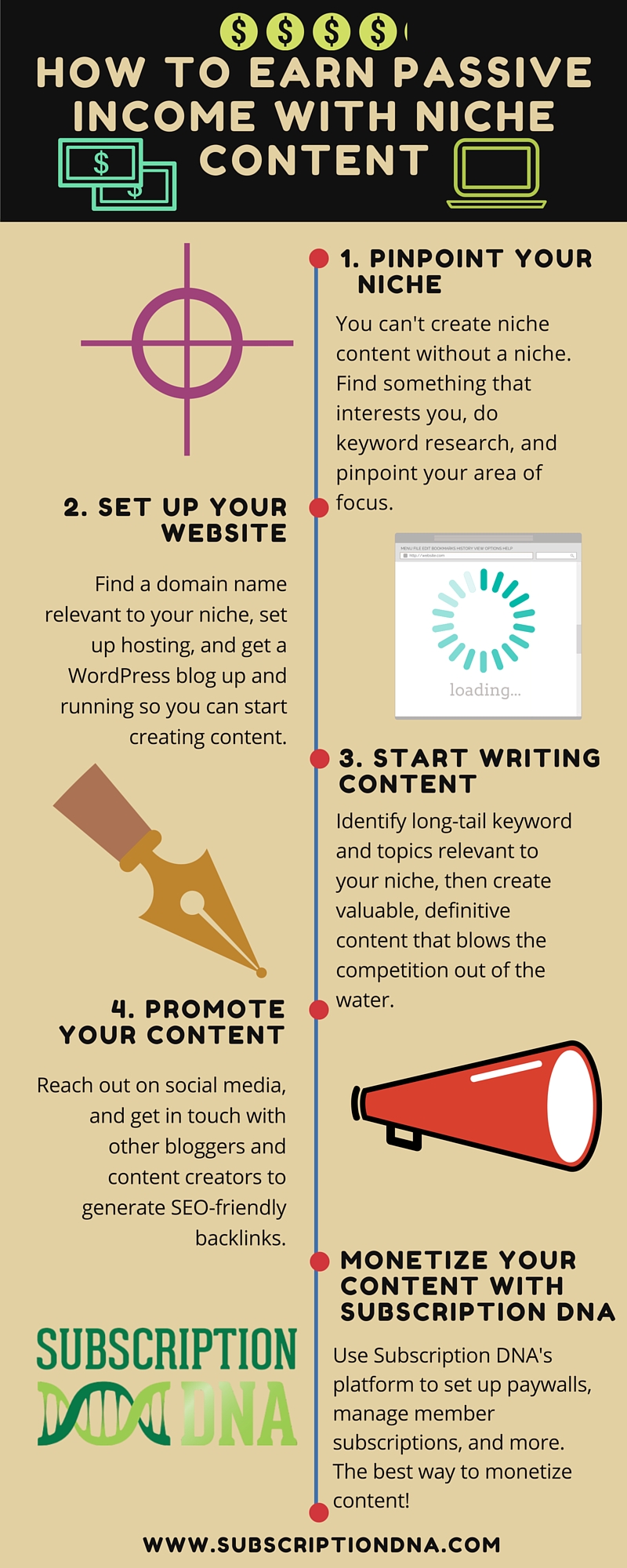
Credit: www.subscriptiondna.com
Frequently Asked Questions
What Are The First Steps To Start A Simple Blog?
Choose a niche, select a blogging platform, and register a domain. Set up hosting and design your blog. Start creating quality content regularly.
How Can I Earn Passive Income From Blogging?
Monetize with ads, affiliate marketing, sponsored posts, or selling digital products. Build an audience and keep content consistent for steady income.
Which Platform Is Best For Beginners To Start Blogging?
WordPress. org is popular for flexibility and control. Platforms like Blogger or Wix are easier but less customizable for growth.
How Often Should I Post To Grow My Blog Audience?
Post consistently, ideally 1-3 times per week. Quality matters more than quantity. Regular posts improve SEO and reader engagement.
Conclusion
Starting a simple blog takes little time and effort. Choose a clear topic you enjoy writing about. Create helpful content that people want to read. Use easy tools to build and manage your blog. Share your posts on social media and with friends.
Over time, you can add ads or affiliate links. These help you earn money while you sleep. Stay patient and keep writing regularly. Small steps can lead to steady passive income. Your blog can grow with your dedication. Begin today and watch your blog succeed.