

Asking for a raise can feel uncomfortable, even a little scary. You want to get paid what you deserve, but the thought of bringing it up might make you hesitate or worry about awkward moments.
What if you say the wrong thing? Or what if your boss doesn’t take you seriously? You’re not alone in feeling this way—and the good news is, there’s a way to ask for more money that feels confident and natural.
You’ll discover simple, effective steps to ask for a raise without the awkwardness. Keep reading, because your next paycheck could be closer than you think.
Preparing For The Conversation
Preparing for the conversation about a raise helps you feel confident and clear. It shows your boss you are serious and professional. Preparation reduces awkward moments and keeps the talk focused.
Before asking for more pay, gather facts and think about your value. This makes your request stronger and fair. Spend time on research, review your work, and pick the right moment to speak.
Research Market Salaries
Check salaries for your job in your area. Use websites like Glassdoor or Payscale. Compare your current pay with others in similar roles. This helps you know a fair salary range. Bring this information to the meeting.
Evaluate Your Achievements
List your key accomplishments at work. Focus on tasks where you helped the team or saved money. Show how you added value to the company. Use specific examples and numbers if possible. This proves you deserve a raise.
Choose The Right Timing
Pick a calm time to ask for a raise. Avoid busy or stressful days at work. Consider your company’s financial health too. Ask after a successful project or positive feedback. Timing affects how well your request is received.
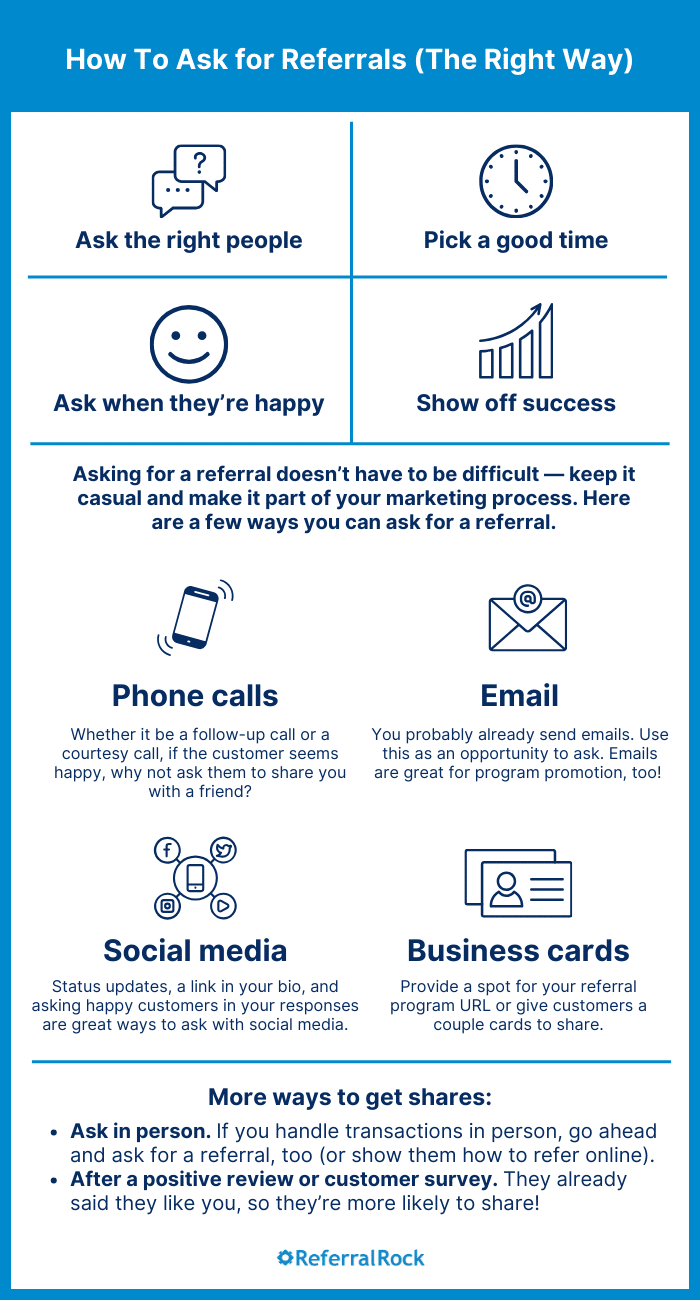
Credit: referralrock.com
Building Confidence
Building confidence is key when asking for a raise. It helps you speak clearly and show your worth. Confidence lowers awkwardness and makes the talk smoother. You feel ready and calm, which your boss will notice. Practice and preparation can boost your confidence a lot. Here are some ways to get ready.
Practice Your Pitch
Write down what you want to say. Keep it short and clear. Practice in front of a mirror or record yourself. Focus on your main points: your work, achievements, and value. Repeat until it feels natural. This helps your voice stay steady and your message strong.
Anticipate Questions
Think about questions your boss might ask. Prepare simple answers that show your value. Questions like “Why do you deserve a raise?” or “What have you done lately?” are common. Practicing answers makes you ready and less nervous. It shows you are serious and prepared.
Manage Nervousness
Take deep breaths before the talk. Breathe slowly and count to four. This helps calm your body and mind. Stand or sit up straight to feel more confident. Remember, it is normal to feel nervous. Use that energy to stay alert and focused.
Starting The Discussion
Starting a conversation about a raise can feel uncomfortable. Choose a quiet time and be clear about your reasons. Keep the tone polite and confident to make the talk smooth.
Set Up A Meeting
Start by asking your manager for a private meeting. Choose a time when they are not busy or stressed. Send a polite message or email to request the meeting. This shows you respect their time. It also prepares them for an important talk. Avoid bringing up the raise suddenly. This keeps the conversation professional and calm.
Open With Positivity
Begin the meeting by sharing positive thoughts about your job. Mention what you enjoy and appreciate. This sets a friendly tone and builds goodwill. It shows you value the team and company. A positive start makes the discussion less tense. Your manager will be more open to listen.
State Your Request Clearly
Say your request in a simple and direct way. Use clear words like “I would like to discuss my salary.” Avoid vague phrases or beating around the bush. Explain why you believe a raise is fair. Share your recent accomplishments or extra duties. This helps your manager understand your value. Speak confidently but politely to make a strong case.

Credit: www.youtube.com
Handling Responses
Handling responses during a raise request is key to keeping the conversation smooth and positive. Your boss’s answer might not be what you expect. Staying calm and ready helps you make the best of the talk.
Respond To Objections Gracefully
Listen carefully to any concerns your boss shares. Show understanding without interrupting. Use phrases like, “I see your point” or “That makes sense.” Avoid sounding defensive or upset. Ask questions to clarify their reasons. This shows you want to find a good solution.
Negotiate Beyond Salary
Sometimes a raise is not possible right now. Offer other options like extra vacation days or flexible hours. Ask for professional development opportunities or a future salary review. These benefits can add value to your work life. Stay open to different ideas that meet both your needs.
Plan Next Steps
End the talk by agreeing on clear next steps. Set a date to revisit the salary discussion. Ask what goals you should reach to earn a raise. Write down the plan to avoid confusion later. This shows you are serious and ready to work hard.
Maintaining Professionalism
Maintaining professionalism is key when asking for a raise. It helps you stay confident and respected. Your approach can make a big difference in how your request is received. Being calm and polite shows you value your job and your boss’s time.
Professionalism also means handling any response with grace. Whether the answer is yes or no, keep your cool. This attitude strengthens your position and keeps doors open for future talks.
Stay Calm And Respectful
Take deep breaths before speaking. Speak clearly and slowly. Avoid sounding demanding or upset. Use polite words like “please” and “thank you.” Show respect for your boss’s opinions and time. A calm tone helps the conversation stay positive.
Follow Up Appropriately
After your meeting, send a brief thank-you email. Mention your appreciation for the discussion. If your boss needs time to decide, ask when you can check back. Avoid pestering or sending too many messages. A simple follow-up shows your interest and professionalism.
Reflect On Feedback
Listen carefully to any feedback you receive. Think about how you can improve your work. Use the advice to grow and prepare for the next review. Showing you accept feedback proves you are serious and open-minded. This attitude builds trust and respect.

Credit: online.usc.edu
Frequently Asked Questions
How Do I Prepare To Ask For A Raise Confidently?
Research your market value and list your accomplishments. Practice your pitch clearly. Choose the right time when your manager is not busy or stressed. Confidence comes from preparation and timing.
What Is The Best Time To Request A Salary Raise?
The best time is during performance reviews or after completing a big project. Also, consider company financial health. Avoid asking during stressful or busy periods for your manager.
How Can I Avoid Awkwardness When Asking For A Raise?
Be direct but polite. Use facts and achievements rather than emotions. Practice your request in advance. Keep the conversation professional and positive.
What Should I Say If My Raise Request Is Denied?
Ask for constructive feedback politely. Inquire about what you can improve. Request a timeline to revisit the raise conversation. Stay professional and keep working hard.
Conclusion
Asking for a raise does not have to feel awkward. Prepare your points clearly and practice your words. Stay calm and confident during the talk. Remember, your work shows your value. Timing matters, so choose a good moment. Listen carefully to your manager’s response.
Even if the answer is no, keep improving. Your effort today can lead to better pay tomorrow. Keep trying and believe in your worth.