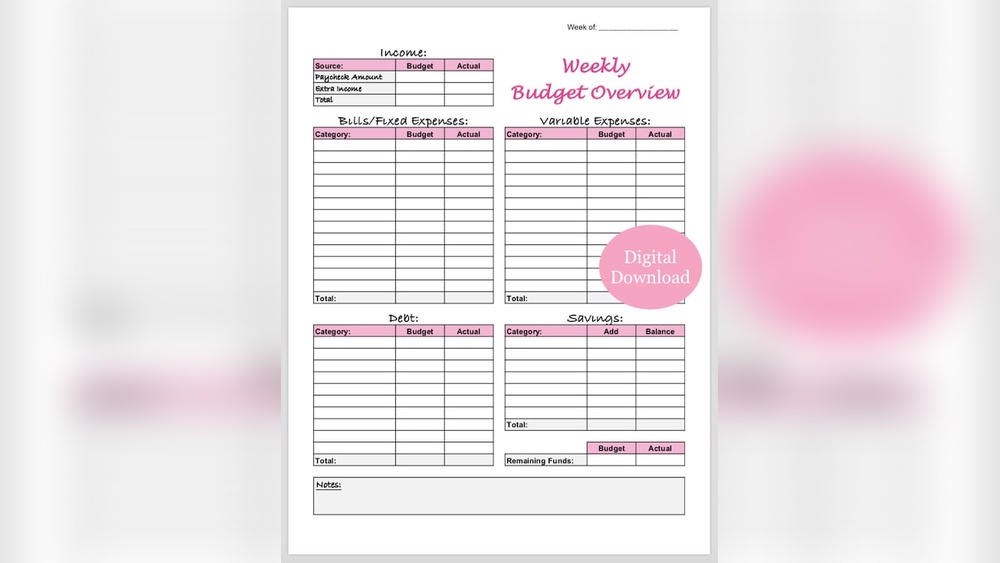
Are you tired of losing track of where your money goes each week? Creating a simple weekly expense checklist can be the key to taking control of your finances without feeling overwhelmed.
Imagine knowing exactly what you spend and where you can save, all with just a few minutes of effort. In this guide, you’ll discover easy steps to build your own checklist that fits your lifestyle. By the end, managing your money will feel less stressful and more empowering.
Ready to simplify your spending and boost your savings? Let’s get started!

Credit: www.amazon.com
Benefits Of A Weekly Expense Checklist
A weekly expense checklist helps track your spending clearly and simply. It shows where your money goes each week. This awareness helps control your budget and avoid overspending.
Using a checklist makes managing money less stressful. It breaks down expenses into small, easy steps. This way, you stay on top of your finances without feeling overwhelmed.
Improves Money Awareness
Writing down expenses makes you notice your spending habits. It helps spot unnecessary purchases quickly. This awareness supports better decisions about money use.
Prevents Overspending
Seeing your expenses every week limits impulsive buys. It sets clear boundaries for spending limits. This habit keeps your budget safe and balanced.
Makes Budgeting Easier
A checklist organizes your costs in one place. It simplifies planning how much to save or spend. This makes your budget realistic and easy to follow.
Helps Save Money
Tracking expenses reveals areas to cut costs. Small savings add up over time. This practice boosts your ability to save for goals.
Reduces Financial Stress
Knowing your spending lowers worry about money. A checklist gives control over your finances. Feeling in control brings peace of mind.
Essential Items To Track
Tracking expenses starts with knowing what to include. A simple checklist helps you see where your money goes. Focus on the key items to get a clear picture. This way, you can plan better and avoid surprises.
Fixed Vs Variable Expenses
Fixed expenses stay the same each week. Think rent, utilities, or loan payments. These costs are predictable and easy to track. Variable expenses change often. Groceries, gas, and entertainment fall here. Track both types for a full view of spending.
Daily Spending Categories
Daily expenses add up fast. Track small costs like coffee, snacks, and transport. Group spending into categories like food, travel, and personal care. This helps spot patterns and control impulse buys. A daily log keeps you aware and mindful.
Including Savings And Debts
Saving money is as important as spending. Include weekly deposits to savings accounts. Also, track debt payments like credit cards or loans. This ensures you meet goals and reduce debt steadily. Watching these items builds financial health over time.
Choosing The Right Format
Choosing the right format for your weekly expense checklist helps keep your budget on track. The format affects how easy it is to record and review expenses. It also impacts how often you update your checklist. Pick a format that fits your lifestyle and comfort level. This makes managing money less stressful and more effective.
Paper Vs Digital Tools
Paper checklists are simple and easy to start. You only need a notebook or a printed template. Writing by hand helps some people remember better. It also does not require electricity or internet. But paper can get lost or damaged. Updating and correcting entries takes more time.
Digital tools offer flexibility and quick edits. You can save your checklist on a phone or computer. Digital formats allow automatic calculations and easy backups. They also let you add notes or photos of receipts. Digital tools need devices and some tech knowledge. They might distract you with other apps.
Using Spreadsheets
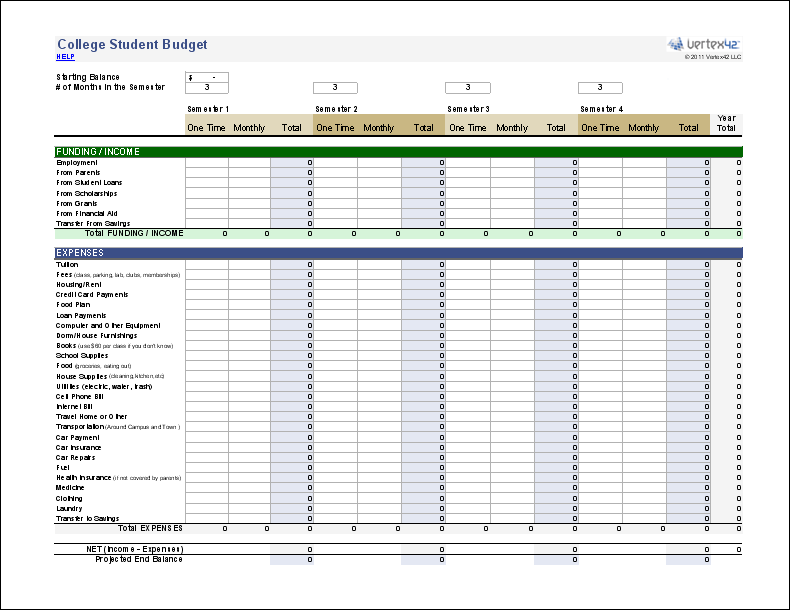
Spreadsheets are a popular digital option for expense checklists. Programs like Excel or Google Sheets work well. They let you create tables to organize expenses by category. Spreadsheets can do math for totals and averages automatically. You can customize colors and layouts for clarity. They require basic skills but offer great control. Spreadsheets are easy to update and share with family.
Budgeting Apps
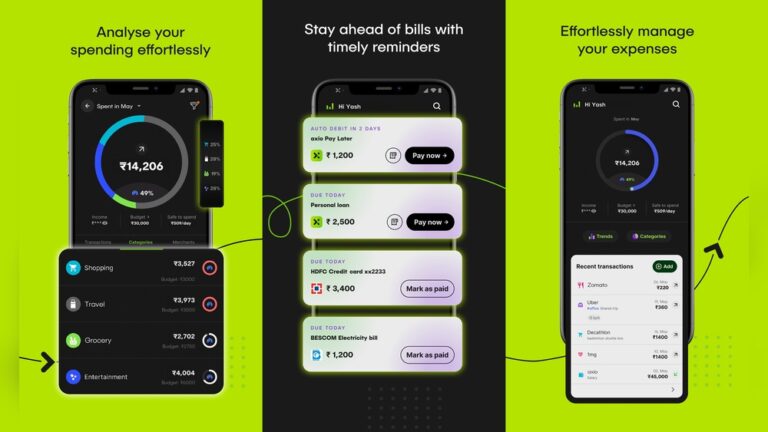
Budgeting apps are designed specifically for managing money. They often connect to your bank for automatic updates. Apps categorize expenses and show spending trends. They send reminders to record expenses regularly. Many apps work on both phones and tablets. Some have free versions with essential features. Apps help stay consistent but may need internet access. Choose apps with simple interfaces for easy use.
Credit: www.vertex42.com
Steps To Create Your Checklist
Creating a weekly expense checklist helps you track your money easily. It keeps your spending under control. Follow simple steps to build your own checklist. This way, you can see where your money goes each week.
Listing Regular Expenses
Start by writing down all your regular expenses. Include rent, groceries, utilities, and transport. Don’t forget small costs like coffee or snacks. This gives a clear picture of your usual spending. Use past bills or receipts to help you list them.
Setting Weekly Spending Limits
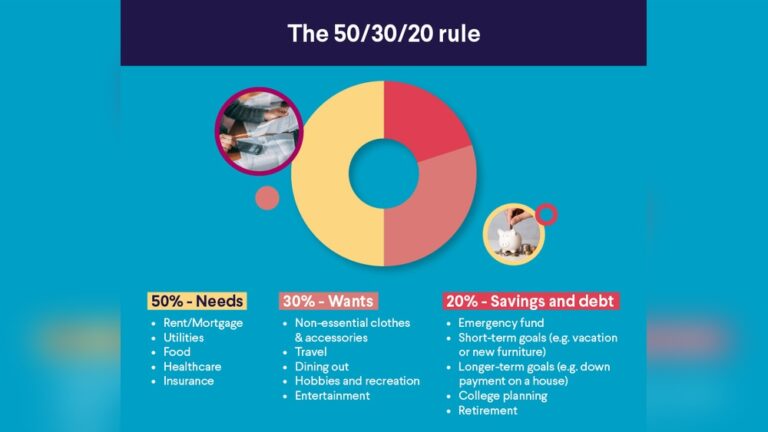
Decide how much to spend on each item weekly. Use your income and past expenses as a guide. Set realistic limits to avoid overspending. Keep some money aside for unexpected costs. Limits help you stay within budget each week.
Updating Your Checklist Regularly
Review your checklist every week. Write down actual expenses to compare with your limits. Adjust your list if your spending changes. This keeps your budget accurate and useful. Regular updates make tracking money simple and clear.
Tips For Sticking To Your Budget
Sticking to a budget can feel tough, but simple habits make it easier. Small actions add up and keep your spending in check. These tips help you stay focused and avoid surprises.
Tracking Receipts And Transactions
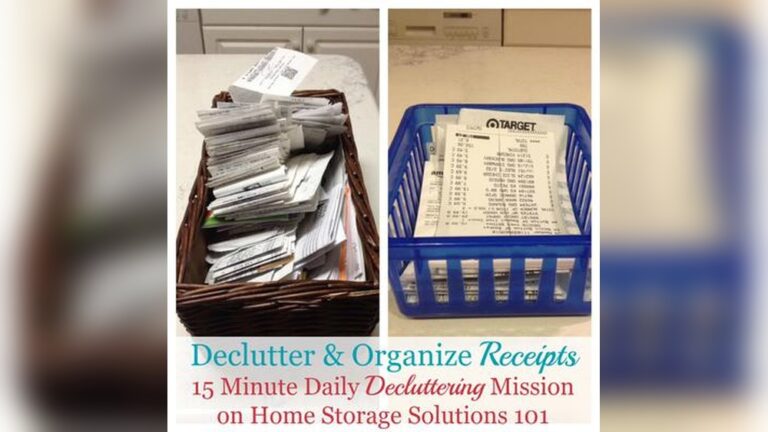
Keep all your receipts in one place. Write down or enter each purchase as soon as possible. This habit gives you a clear view of where your money goes. It stops you from spending more than planned.
Adjusting For Unexpected Costs
Unexpected costs happen to everyone. Set aside a small amount for these surprises each week. If something unexpected comes up, use this money first. This keeps your budget balanced and stress low.
Reviewing And Reflecting Weekly
Spend a few minutes every week to review your spending. Check what went well and where you can improve. Adjust your checklist based on this reflection. This habit helps you stay on track and learn from your choices.
Common Mistakes To Avoid
Creating a weekly expense checklist helps control spending. Many people make simple mistakes that hurt their tracking. Avoiding these errors saves time and money. Here are common mistakes to watch out for.
Ignoring Small Purchases
Small purchases add up fast. Coffee, snacks, or bus fares may seem minor. Skipping these costs hides the real spending picture. Include every expense, no matter how small. This helps see where money really goes.
Not Updating The Checklist
A checklist works only when it is current. Expenses change weekly. Forgetting to add new costs leads to wrong totals. Update your list daily or after each purchase. This keeps your budget accurate and useful.
Overlooking Irregular Expenses
Some expenses happen once in a while. Car repairs, gifts, or medical bills don’t occur every week. Ignoring these costs creates surprises. Add a section for irregular expenses to track them properly. This prepares you for all spending.
Improving Your Checklist Over Time
Improving your weekly expense checklist is a smart way to keep your budget on track. It helps you spot where money goes and make better choices. Over time, small changes can make your checklist more useful and accurate. This makes managing money easier.
Analyzing Spending Patterns
Look at your checklist each week. Notice which expenses happen often. See if some costs are too high. Track where you spend most of your money. This helps you find areas to save. Patterns show your true spending habits.
Setting Financial Goals
Decide what you want to save or spend less on. Write clear goals like “save $50 weekly” or “cut dining out.” Use your checklist to check progress. Goals keep you focused and motivated. Change goals as your needs change.
Incorporating Feedback
Ask family or friends to review your checklist. They may spot things you miss. Listen to their ideas to improve your list. Change your checklist to fit your lifestyle better. Feedback helps make your checklist practical and easy to use.
Credit: www.utahfarmbureau.org
Frequently Asked Questions
What Is A Weekly Expense Checklist?
A weekly expense checklist is a simple tool to track your spending each week. It helps you monitor where your money goes and manage your budget effectively.
How Can A Checklist Reduce Overspending?
By listing all expenses, you become aware of your spending habits. This awareness helps you avoid unnecessary purchases and stick to your budget.
What Items Should I Include In My Checklist?
Include regular expenses like groceries, transport, bills, and entertainment. Also, add any unexpected or one-time purchases for accurate tracking.
How Often Should I Update My Expense Checklist?
Update your checklist daily or after every purchase. This keeps your records accurate and helps you review your spending at week’s end.
Conclusion
Creating a simple weekly expense checklist helps track your spending easily. It keeps your budget clear and avoids surprises. Writing down expenses each week builds good money habits. You feel more control over where your money goes. Small steps lead to better savings over time.
Start with a few categories and add details as needed. Consistency matters more than perfection in tracking costs. This checklist guides you to spend wisely and save smartly. Try it for a few weeks and notice the difference. Managing money becomes less stressful and more routine.