
You just got a pay raise—congratulations! It’s an exciting moment, but now comes the real challenge: how do you handle your money wisely?
Without a plan, it’s easy to let extra income slip through your fingers. But with the right steps, your raise can set you up for bigger savings, less stress, and more financial freedom. You’ll discover simple strategies to make your raise work harder for you.
Keep reading to learn how to take control of your finances and turn this opportunity into lasting success.

Credit: www.banklandmark.com
Assess Your New Income
After receiving a pay raise, the first step is to understand your new income clearly. Knowing exactly how much money you will take home helps you plan better. It also prepares you to make smart choices with your extra earnings. This step sets the foundation for good money management.
Calculate Your Take-home Pay
Start by finding your new gross salary. This is your total pay before taxes and deductions. Next, subtract taxes, insurance, and other deductions. The amount left is your take-home pay. This is the actual money you can use. Use a paycheck calculator online to get a quick estimate. Knowing this number helps you avoid spending more than you have.
Review Tax Implications
A pay raise can affect your tax bracket. You might owe more in taxes than before. Check how your new income fits into tax rules. Consider federal, state, and local taxes. Also, think about Social Security and Medicare deductions. If needed, update your tax withholding on your W-4 form. This prevents surprises during tax season and keeps your finances stable.
Adjust Your Budget
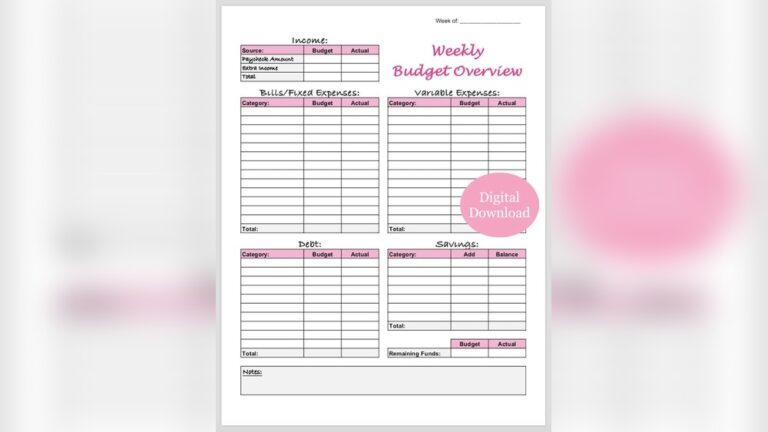
Your budget should reflect your new take-home pay. List all your monthly income and expenses again. Increase savings and debt payments if possible. Allocate some money for fun or personal goals too. Avoid the temptation to spend all extra income immediately. A balanced budget helps you grow wealth and stay secure. Review your budget regularly to keep it accurate.
Prioritize Debt Repayment
Getting a pay raise is a great chance to improve your finances. One smart step is to focus on paying off debt. Reducing debt frees up money for other goals. It also lowers stress and builds financial security. Use your extra income to tackle debt first.
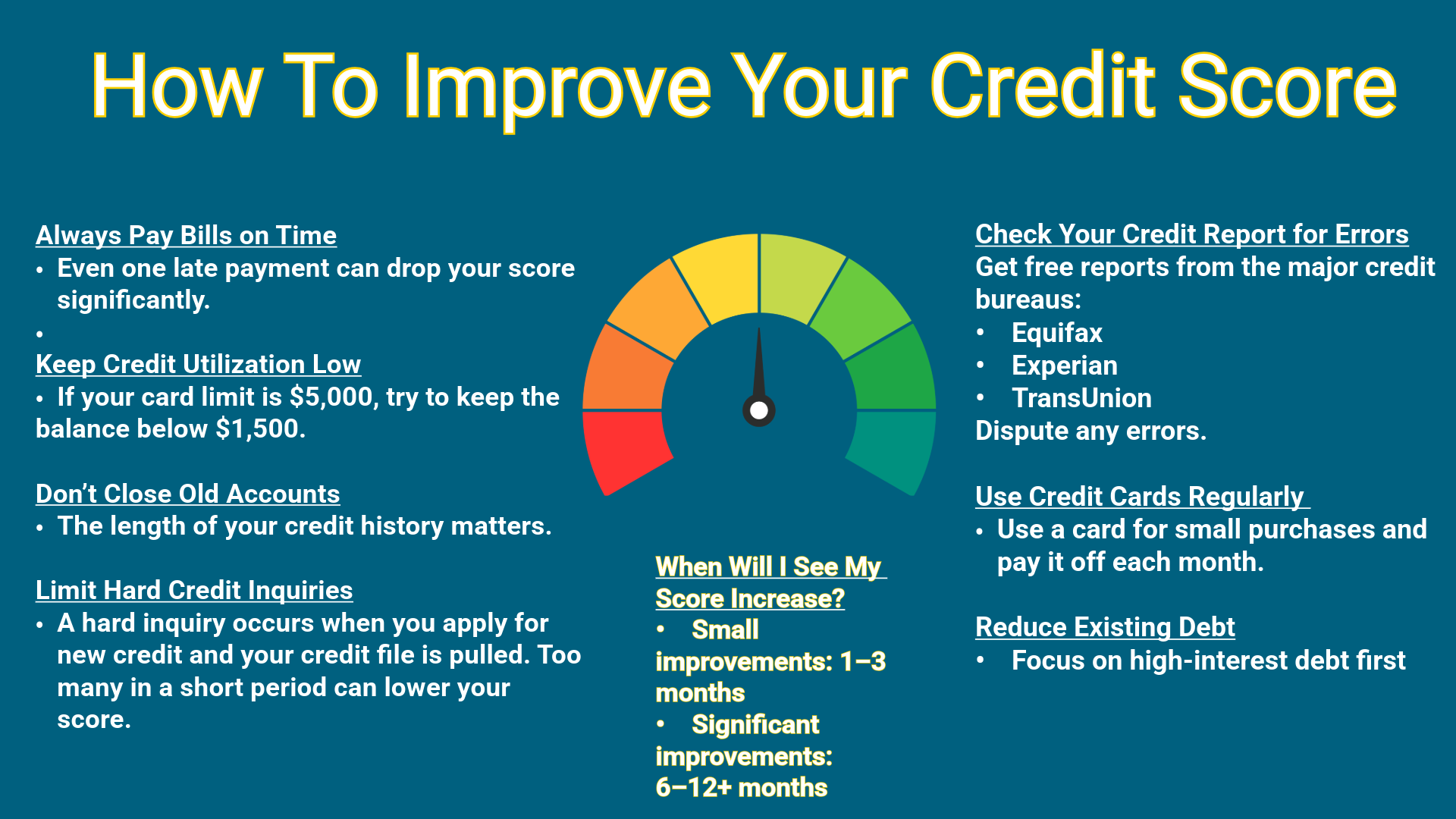
Paying off debt quickly saves you money on interest. It improves your credit score. It lets you enjoy your raise without worry. Here are some simple ways to prioritize debt repayment after a raise.
Focus On High-interest Debt
Start by paying off debts with the highest interest rates. Credit cards often have the highest rates. These debts cost you the most over time. Paying them first reduces total interest you pay. It helps you get out of debt faster.
Create A Repayment Plan
Make a clear plan for paying off your debts. List all your debts and their amounts. Decide how much extra money you can put toward debt. Set monthly goals to track your progress. A plan keeps you focused and motivated.
Avoid Accumulating New Debt
Do not use your raise to add new debt. Avoid spending more on things you don’t need. Keep using a budget to control your expenses. Pay cash or use debit cards instead of credit. Staying out of new debt keeps your finances healthy.
Boost Your Savings
Getting a pay raise is a great chance to grow your savings. It helps you build a safer financial future. Instead of spending it all, focus on saving more. Saving money creates a cushion for tough times. It also helps you reach long-term goals faster.
Increase Emergency Fund
An emergency fund covers unexpected costs like car repairs or medical bills. Aim to save three to six months of living expenses. Use part of your raise to add to this fund. It keeps you from borrowing or using credit cards. A strong emergency fund brings peace of mind.
Maximize Retirement Contributions
Boost your retirement savings with extra contributions. Put more money into your 401(k) or IRA accounts. This grows your money over time through compound interest. Increasing contributions now means more income later. It’s smart to secure your future while you earn more today.
Set Up Automatic Transfers
Automatic transfers take the effort out of saving. Set your bank to move money to savings each payday. This keeps your savings consistent and steady. You won’t miss the money if it moves automatically. It’s an easy way to build savings without thinking.
Credit: ndbf.nebraska.gov
Invest Wisely
Investing your pay raise wisely can help your money grow over time. It secures your future and brings financial freedom. Smart investing means making thoughtful choices that suit your needs.
Here are key ways to invest your extra income safely and effectively.
Diversify Your Portfolio
Put your money in different types of investments. This lowers risk and protects your savings. Stocks, bonds, and real estate all behave differently. Spreading money across them balances gains and losses. Avoid putting all your money in one place.
Consider Long-term Goals
Think about what you want in five, ten, or twenty years. Save for retirement, a house, or education. Choose investments that grow steadily over time. Long-term plans often need patience and steady contributions. Avoid rushing into high-risk options that promise quick returns.
Seek Professional Advice
Talk to a financial advisor for personalized help. They understand markets and can guide your decisions. A professional can help create a plan based on your goals. They also explain risks and benefits clearly. This advice makes your investment journey safer and clearer.
Enhance Your Lifestyle Mindfully
Getting a pay raise is exciting. It gives you more money to use. You can improve your life with this extra cash. But spending it too fast can cause problems. Use your raise wisely to enhance your lifestyle in a smart way. Think about your needs and goals first.
Spend some money on things that bring joy. Keep your future safe. Plan big buys carefully. This balance will keep your finances healthy and your life enjoyable.
Allocate Fun Money
Set aside a small part of your raise for fun. This can be dining out, hobbies, or entertainment. Fun money keeps you motivated. It helps you enjoy life without guilt. Limit this amount to avoid overspending.
Avoid Lifestyle Inflation
Resist the urge to increase spending on everyday things. Just because you earn more, does not mean you must spend more. Keep your basic expenses steady. Save the extra money or invest it for future needs.
Plan For Big Purchases
Think before buying expensive items. Plan how much you need and when to buy. Save your raise money for these purchases over time. This helps prevent debt and financial stress.
Review And Adjust Regularly
After receiving a pay raise, it is important to review and adjust your finances regularly. This helps you stay on track and make smart choices. Income changes can affect your budget and goals. Checking your finances often lets you respond to these changes quickly. It keeps your money working well for you.
Track Your Spending
Keep a close eye on where your money goes each month. Write down every expense or use an app to track it. This shows if you spend more after a raise. It helps find areas to save or invest more. Tracking spending keeps your budget realistic and effective.
Reassess Financial Goals
Pay raises can change what you want to achieve with money. Check your goals often to see if they still fit your life. Maybe save for a home, pay off debt, or build emergency funds. Adjust your goals to match your new income and priorities. This keeps you motivated and focused.
Stay Flexible
Life is full of surprises. Your expenses and needs may change anytime. Stay open to adjusting your budget and plans. Flexibility helps you handle unexpected costs without stress. It also allows you to take advantage of new opportunities. Being flexible keeps your finances healthy over time.
Credit: resumeworded.com
Frequently Asked Questions
How Should I Budget After A Pay Raise?
Start by adjusting your budget to include the extra income. Allocate funds for savings, debt repayment, and essential expenses. Avoid lifestyle inflation by setting financial goals to maintain control over your spending habits.
What’s The Best Way To Save Extra Income?
Direct a portion of your raise into a high-yield savings account. Automate monthly transfers to build an emergency fund or long-term savings. Prioritize saving before increasing discretionary spending to maximize financial security.
Should I Increase Debt Payments After A Pay Raise?
Yes, use extra income to pay down high-interest debt faster. Reducing debt improves credit scores and lowers financial stress. This strategy frees up more money for future investments and savings.
How Can I Avoid Lifestyle Inflation With A Pay Raise?
Set clear financial goals and stick to a budget. Limit discretionary spending increases despite higher income. Focus on saving and investing to secure long-term financial health over short-term gratification.
Conclusion
Handling your finances after a pay raise is smart and simple. Use extra money wisely to save and pay off debts. Set clear goals and stick to a budget. Avoid spending more just because you earn more. Small steps lead to big financial growth over time.
Keep track of your progress and adjust as needed. Your raise can bring peace and security if managed well. Take control today for a better financial future.