Are credit card bills piling up and causing you stress? You’re not alone, and the good news is, you can take control.
Managing and paying off your credit card bills safely doesn’t have to be overwhelming. With the right steps, you can protect your financial health and even improve your credit score. Keep reading to discover simple, effective strategies that put you back in charge—so you can say goodbye to worry and hello to financial freedom.
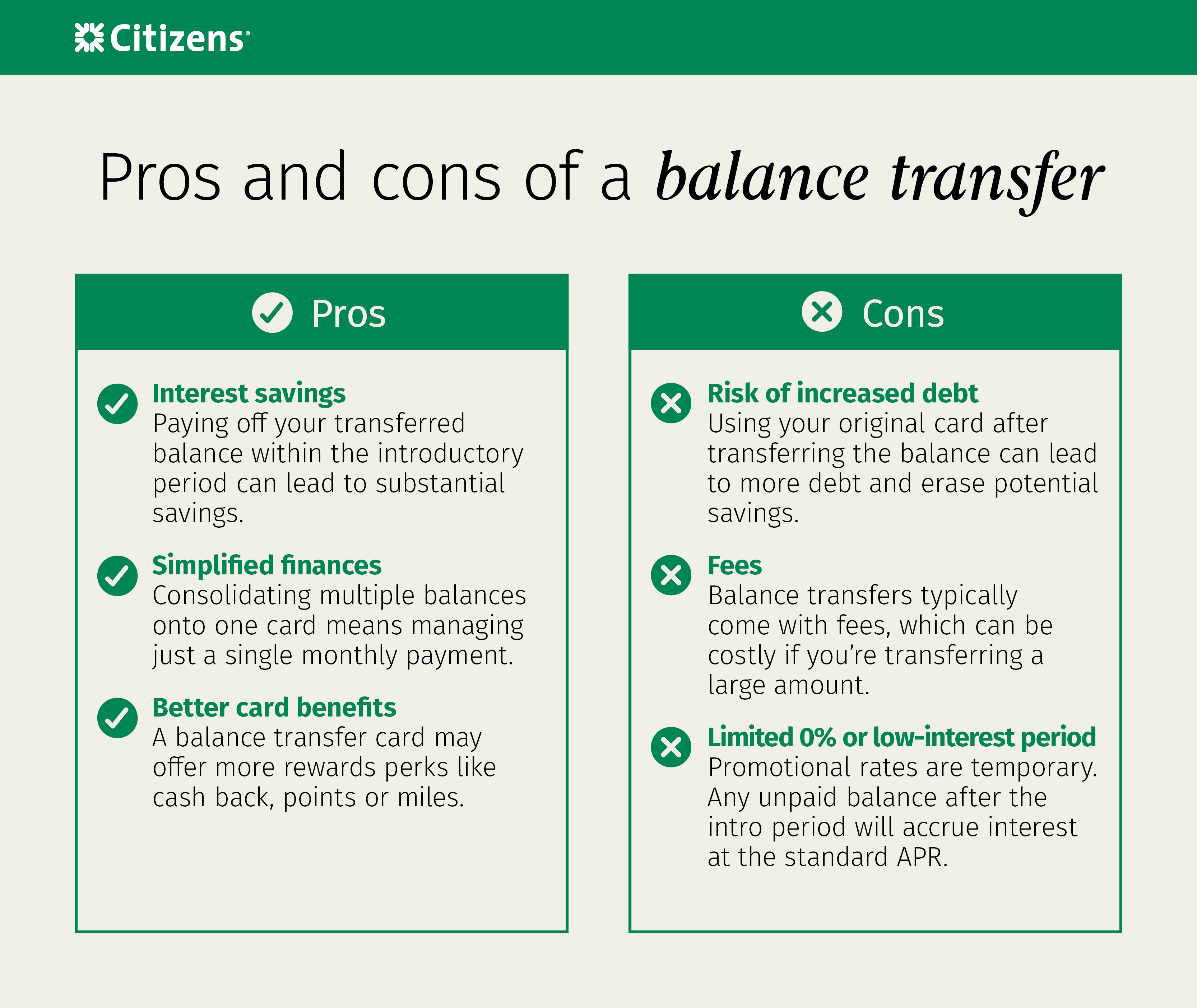
Credit: www.citizensbank.com
Assessing Your Credit Card Debt
Assessing your credit card debt is the first step toward managing it wisely. You need a clear picture of what you owe. This helps you plan payments and avoid extra charges. Understanding your debt also reduces stress and gives control over your finances.
Tracking Your Balances
Start by listing all your credit cards and their balances. Check your latest statements or online accounts. Write down the exact amount you owe on each card. Keep this list updated every month. Tracking balances prevents surprises and helps you focus on paying off debt.
Identifying Interest Rates
Each credit card has its own interest rate. This rate affects how much extra you pay if you carry a balance. Find the interest rate for every card on your statement. Prioritize paying off cards with the highest rates first. This saves money in the long run.
Recognizing Payment Due Dates
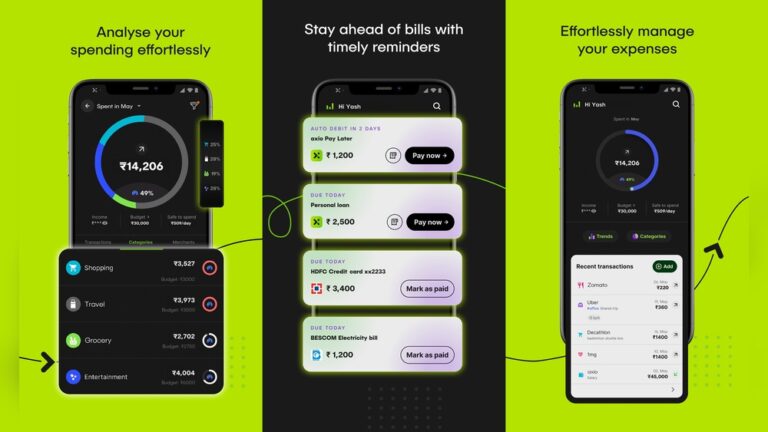
Know the due date for each credit card bill. Missing a payment can cause fees and damage your credit score. Set reminders a few days before due dates. Pay bills on time or early whenever possible. Staying punctual keeps your credit in good shape.
Credit: www.pnc.com
Creating A Payment Plan
Creating a payment plan helps you control your credit card debt. It breaks down large amounts into smaller, manageable payments. A clear plan reduces stress and avoids late fees. It also improves your credit score over time. Start by understanding your debts and available funds. Then, design a strategy that fits your budget and goals.
Prioritizing High-interest Cards
Focus on cards with the highest interest rates first. Paying these off saves money on interest charges. Make minimum payments on other cards while targeting the costly ones. This reduces overall debt faster. Track interest rates regularly to adjust your focus if needed.
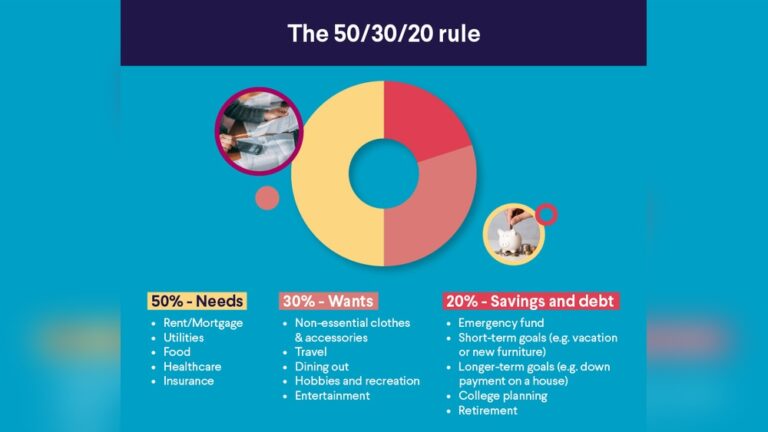
Setting A Monthly Budget
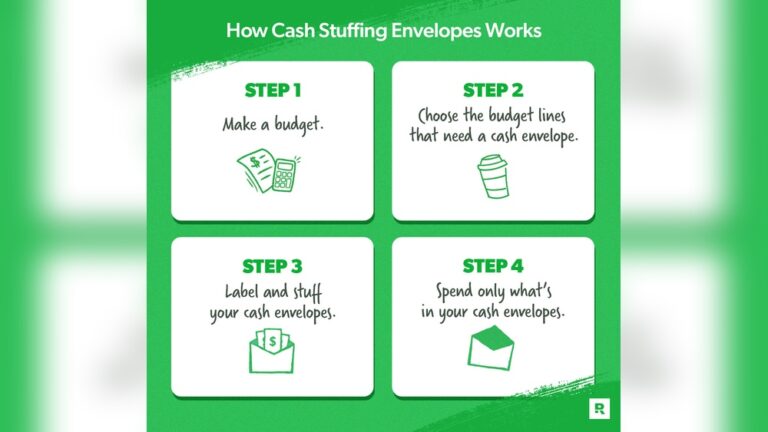
List all your income and expenses each month. Allocate a fixed amount for credit card payments. Stick to this budget to avoid overspending. Track your spending daily to stay on course. A clear budget helps you see where to cut costs and save more.
Choosing Payment Strategies
Pick a payment method that fits your situation. The avalanche method pays off highest interest cards first. The snowball method clears smaller debts first for quick wins. Choose the method that keeps you motivated. Consistency matters more than speed in paying debts.
Making Payments Securely
Making payments securely is key to managing your credit card bills safely. Protecting your financial information reduces the risk of theft. Paying bills on time also helps maintain a good credit score. Follow safe practices to keep your money and data secure.
Using Trusted Payment Methods
Always use trusted payment methods to pay your credit card bills. Online portals from your bank or credit card company are safest. Avoid using public Wi-Fi for payments. Mobile payment apps with strong security features can also be good. Stick to secure websites with “https” in the address.
Avoiding Payment Scams
Watch out for payment scams that can steal your money or information. Do not respond to calls or emails asking for your card details. Never click on links in suspicious messages. Verify payment requests by contacting your credit card company directly. Stay alert to protect your account.
Setting Up Automatic Payments
Automatic payments help you pay bills on time without stress. Set up auto-pay through your credit card company’s official website. Choose a payment date that fits your budget. Regular payments avoid late fees and keep your account in good standing. Review your statements often to ensure accuracy.
Improving Credit Card Habits
Improving your credit card habits is key to managing bills safely. Small changes can lower debt and build better credit. It takes focus and good planning. Start with simple steps. Each step helps make payments easier and less stressful.
Limiting New Charges
Stop adding new charges to your card. Use cash or a debit card instead. This prevents your debt from growing. Pay off current balances before spending more. Avoid impulse buys. This keeps your spending under control.
Monitoring Credit Reports
Check your credit reports regularly. Look for errors or unfamiliar activity. Correct mistakes quickly to protect your credit score. Use free services to get your reports. Stay aware of your credit status. It helps you spot problems early.
Building Emergency Savings
Save money for emergencies. This reduces the need to use credit cards. Set aside a small amount each month. Even $10 helps build a safety net. An emergency fund prevents more debt during tough times. It gives you peace of mind.
Seeking Professional Help
Managing credit card bills can feel overwhelming. Professional help offers clear guidance and support. Experts can help create a plan that fits your budget and goals.
They provide advice you can trust. This helps avoid mistakes that worsen debt. Seeking help makes the process safer and easier.
Working With Credit Counselors
Credit counselors are trained to assist with debt issues. They review your financial situation carefully. Counselors suggest practical steps to reduce debt. They teach budgeting skills to prevent future problems. Many offer free or low-cost sessions. Trustworthy counselors work with your best interest in mind.
Exploring Debt Consolidation
Debt consolidation combines multiple bills into one payment. This simplifies managing your credit card debts. You may get lower interest rates through consolidation. It helps avoid late fees and missed payments. Choose a reputable company for this service. Understand all terms before agreeing to a consolidation plan.
Negotiating With Creditors
Talking directly to creditors can reduce your debt load. Creditors may lower interest rates or waive fees. They sometimes accept smaller lump-sum payments. Negotiation requires honesty about your financial limits. Professional negotiators can help if you feel unsure. Always get agreements in writing for protection.

Credit: www.leinartlaw.com
Frequently Asked Questions
How Can I Safely Manage My Credit Card Bills?
Use online banking with strong passwords and two-factor authentication. Track expenses, set payment reminders, and avoid sharing card details.
What Is The Best Way To Pay Off Credit Card Debt?
Pay more than the minimum balance monthly. Prioritize high-interest cards first. Consider balance transfers or debt consolidation for lower rates.
How Do I Avoid Late Credit Card Payments?
Set automatic payments or calendar alerts. Always pay at least the minimum due before the due date to avoid fees and penalties.
Can Budgeting Help Reduce Credit Card Debt?
Yes, budgeting controls spending and allocates funds for timely payments. It helps prioritize debt repayment and avoid unnecessary purchases.
Conclusion
Managing and paying off credit card bills takes careful planning. Set a budget and track your spending every month. Always pay at least the minimum amount on time. Avoid using cards for things you cannot afford. Keep your credit balance low to protect your credit score.
Use online tools or apps to help stay organized. Staying consistent with payments reduces stress and debt. Small steps lead to better money habits and financial safety. You can control your credit and build a stronger future.