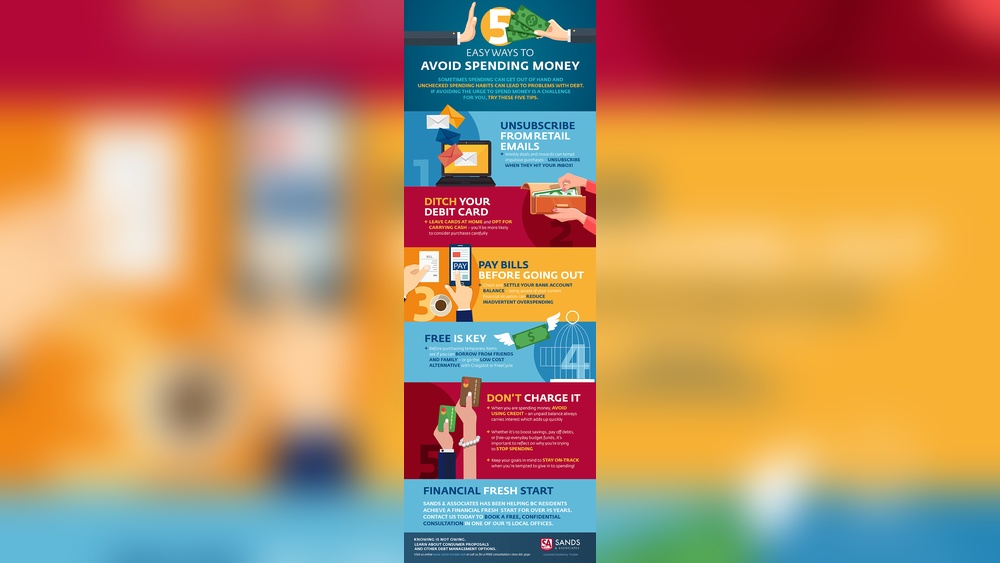
Are you tired of watching your money slip away on things you don’t really need? It’s easy to fall into the trap of impulse buys and unnecessary spending.
But what if you could take control of your finances without feeling deprived? You can—and it’s simpler than you think. You’ll discover 5 easy ways to stop spending money on stuff that doesn’t add real value to your life. Stick with me, and you’ll learn practical tips that protect your wallet and help you focus on what truly matters.
Ready to change your spending habits for good? Let’s dive in.

Credit: www.amazon.com
Identify Spending Triggers
Stopping unnecessary spending starts with knowing what makes you spend. Identifying your spending triggers helps control impulse buys. Triggers can be feelings or situations that push you to spend money without thinking. Recognizing these triggers is the first step to breaking the habit. Here are common emotional and situational triggers to watch for.
Common Emotional Triggers
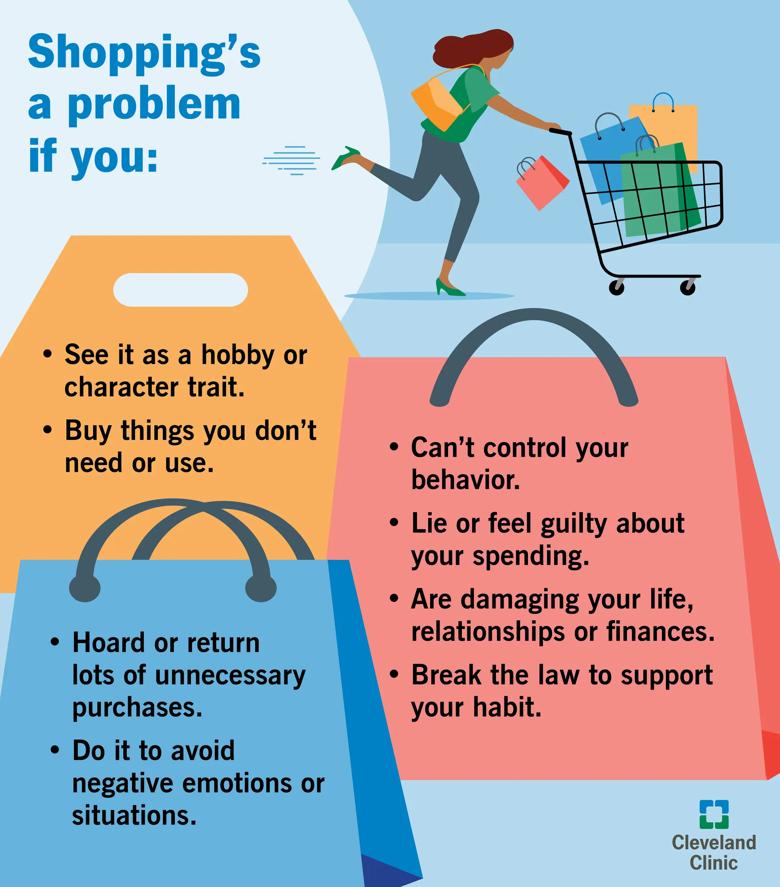
Many people spend money to feel better. Stress, boredom, or sadness often lead to shopping. Buying something new can give a quick mood boost. Loneliness or anxiety also cause people to shop more. Notice if you spend after a tough day or when feeling down. Awareness of these feelings helps reduce emotional spending.
Situational Triggers To Watch For
Some places or events make spending tempting. Malls, online sales, or social gatherings often push people to buy. Seeing ads or promotions can trigger impulse buys. Peer pressure or wanting to fit in also causes extra spending. Pay attention to where and when you spend most. Avoiding these situations helps save money.
Credit: www.fidelity.com
Create A Budget That Works
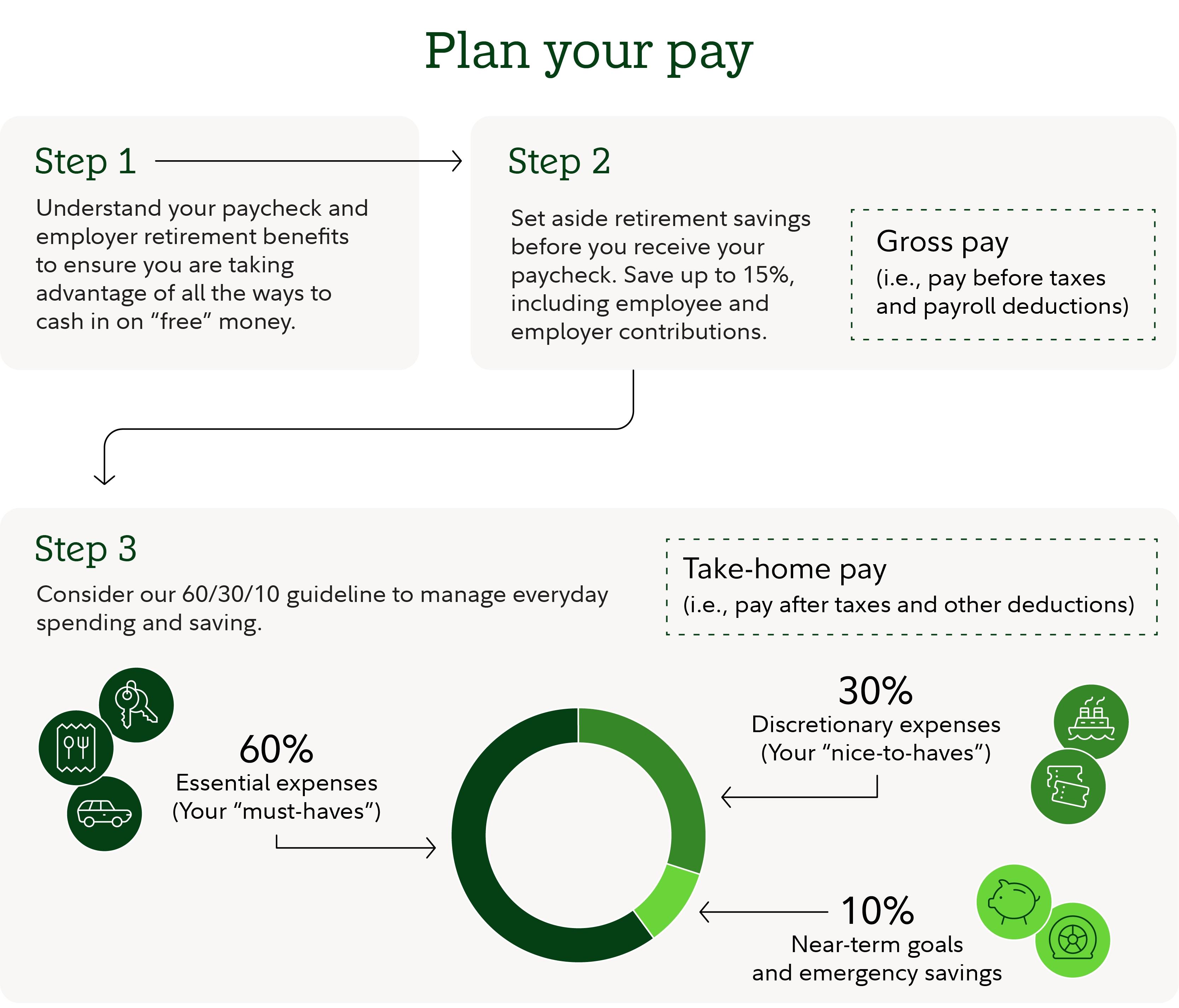
Creating a budget that works is key to stopping wasteful spending. It helps you control your money and plan for what matters. A good budget shows where your money goes and where to cut back. You can avoid buying things you don’t need by knowing your limits.
Start with a clear plan that fits your lifestyle. A budget is not about strict rules but smart choices. It should be easy to follow and adjust as you go. This way, you stay on track without feeling stressed.
Setting Realistic Spending Limits
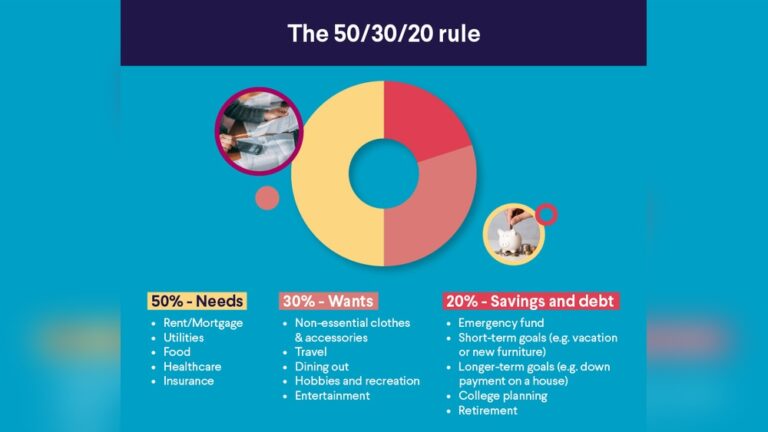
Set spending limits based on your income and needs. Think about what you truly need each month. Don’t set limits too low; that can cause frustration. Also, avoid limits that are too high or you will overspend.
Look at past spending to help choose good amounts. Include essentials like rent, food, and bills first. Then decide how much is left for extras. This makes your budget balanced and practical.
Tracking Expenses Regularly
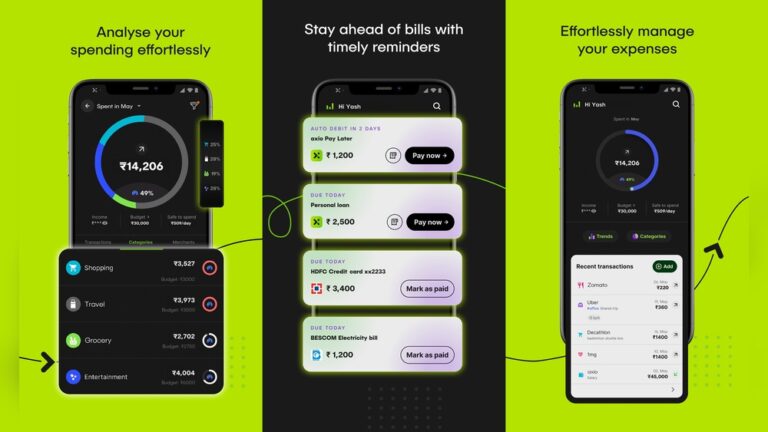
Keep track of every dollar you spend. Write down or use an app to note your expenses daily. This helps you see where money goes and spot wasteful buys.
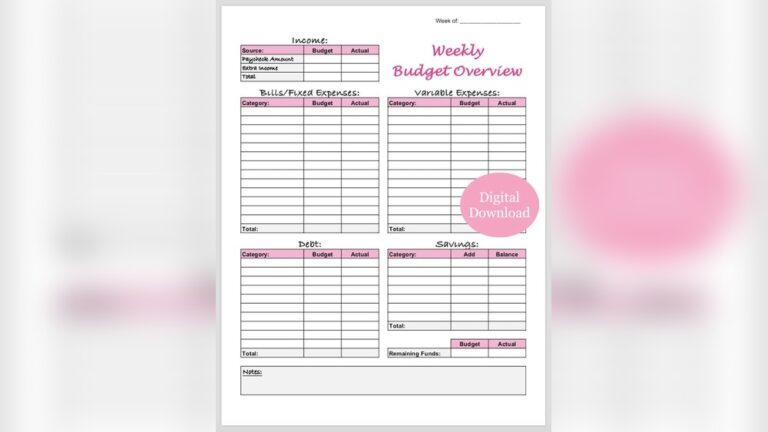
Review your expenses weekly to check if you follow your budget. Adjust limits if needed but stay honest with yourself. Regular tracking builds good money habits and stops surprise overspending.
Practice Mindful Shopping
Mindful shopping helps control spending on things you don’t need. It means paying close attention to what you buy and why. This habit reduces waste and saves money.
Being mindful also helps you focus on what really matters. It stops you from buying on impulse or out of boredom. Try these easy ways to shop with intention.
Making Lists And Sticking To Them
Start by making a clear shopping list before you shop. Write down only what you need. This keeps you focused and stops extra buys.
Take your list with you every time you shop. Check items off as you go. Avoid picking items not on the list. This simple step saves money and avoids clutter.
Avoiding Impulse Purchases
Impulse buys happen fast and without thinking. They often lead to regret and wasted money. Pause before buying something unplanned.
Ask yourself if you really need the item. Wait at least 24 hours before making the purchase. This delay can help you avoid unnecessary spending.
Find Alternatives To Buying
Finding alternatives to buying helps save money and reduces waste. It means getting what you need without spending cash. This approach encourages creativity and community sharing. It also teaches patience and planning. Here are two easy ways to avoid unnecessary purchases.
Borrowing And Sharing
Borrowing items from friends or family cuts costs. Tools, books, or kitchen gadgets might only be needed once. Sharing with neighbors builds trust and connections. Community groups or online platforms make sharing easier. This method prevents clutter and saves money.
Diy And Upcycling Ideas
Making things yourself saves money and adds value. Old clothes can become new bags or cleaning rags. Furniture can get a fresh look with paint or new handles. Upcycling reduces waste and personalizes your space. Simple crafts provide fun and useful items without spending much.
Build Better Financial Habits
Building better financial habits helps you control spending and save money. It changes how you think about money and makes saving easier. Small changes can make a big difference over time. You need simple habits that fit your life and goals.
Start by making saving automatic. Then, learn to reward yourself without breaking your budget. These habits keep you motivated and help you spend less on things you do not need.
Automating Savings
Set up automatic transfers to your savings account. This moves money without you thinking about it. You save before you spend. Even small amounts add up fast. It stops you from spending money you want to save.
Choose a savings goal. It can be for emergencies or something special. Regular deposits build your savings slowly and steadily. This habit makes saving easy and stress-free.
Rewarding Yourself Wisely
Reward yourself for good money habits without overspending. Choose small treats that do not cost much. This keeps you happy and motivated.
Plan rewards ahead. For example, a favorite snack or a free activity. Avoid buying things just because you feel like it. Smart rewards help you stick to your budget.
Credit: health.clevelandclinic.org
Frequently Asked Questions
How Can I Identify Unnecessary Spending Habits?
Track your expenses for a month to spot non-essential purchases. Analyze your spending patterns and list items you can avoid. This helps you become aware of money leaks and make better financial choices.
What Are Simple Ways To Avoid Impulse Buying?
Create a shopping list before you buy and stick to it. Wait 24 hours before making non-essential purchases. These habits reduce impulsive decisions and help control your budget.
How Does Budgeting Help Reduce Unnecessary Expenses?
Budgeting allocates money to essentials and limits spending on wants. It gives you clear financial goals and improves money management. This prevents overspending on things you don’t need.
Can Setting Financial Goals Stop Wasteful Spending?
Yes, clear goals prioritize saving and essential expenses. They motivate you to avoid frivolous purchases. Goals help focus your spending on what truly matters.
Conclusion
Stopping unnecessary spending takes small, clear steps. Track your purchases to see where money goes. Pause before buying to ask if you truly need it. Set a budget and stick to it every day. Focus on what matters most to you.
These habits build control and save cash. Change won’t happen overnight, but each choice counts. Keep practicing, and your money will last longer. Simple actions lead to better financial health. Your wallet will thank you.