Are you tired of feeling overwhelmed by your bills and unsure where your money goes each month? Tracking your expenses doesn’t have to be a headache.
Imagine having a simple, stress-free way to see exactly how much you spend and where you can save. You’ll discover the easiest method to keep your monthly expenses under control. By the time you finish reading, managing your money will feel natural—and you’ll be one step closer to financial freedom.
Keep reading to unlock a straightforward approach that works for you.
Why Track Monthly Expenses
Tracking your monthly expenses helps you control your money better. It shows where your cash goes each month. This simple habit can save you from money problems. You see your spending clearly and plan wisely. It helps you avoid surprises like running out of money.
Benefits Of Expense Tracking
Expense tracking helps you stick to your budget. You know exactly how much you spend on food, bills, and fun. This knowledge stops overspending before it happens. It also helps you save money for future needs. Tracking expenses can reduce stress about money. You feel more confident with your finances. It also helps you spot wasteful habits and cut costs.
Common Spending Pitfalls
Many people spend without thinking. Small daily purchases add up quickly. Impulse buys often hurt your budget. Missing these expenses can lead to debt. Not tracking expenses means you forget where money goes. This causes confusion and money problems. Some also ignore bills and pay late fees. Tracking stops these common mistakes before they grow.
Choosing The Right Method
Choosing the right method to track your monthly expenses makes the process simple and effective. It depends on your habits and comfort with technology. Some prefer writing things down, while others like digital tools. Understanding your style helps you stick to your budget better. Below are three common methods to consider.
Manual Tracking Techniques
Manual tracking means writing down your expenses by hand. This can be in a notebook or a small diary. It helps you pay close attention to every purchase. You can carry your notebook everywhere. This method requires discipline but is easy to start. No technology or special skills needed.
Using Mobile Apps
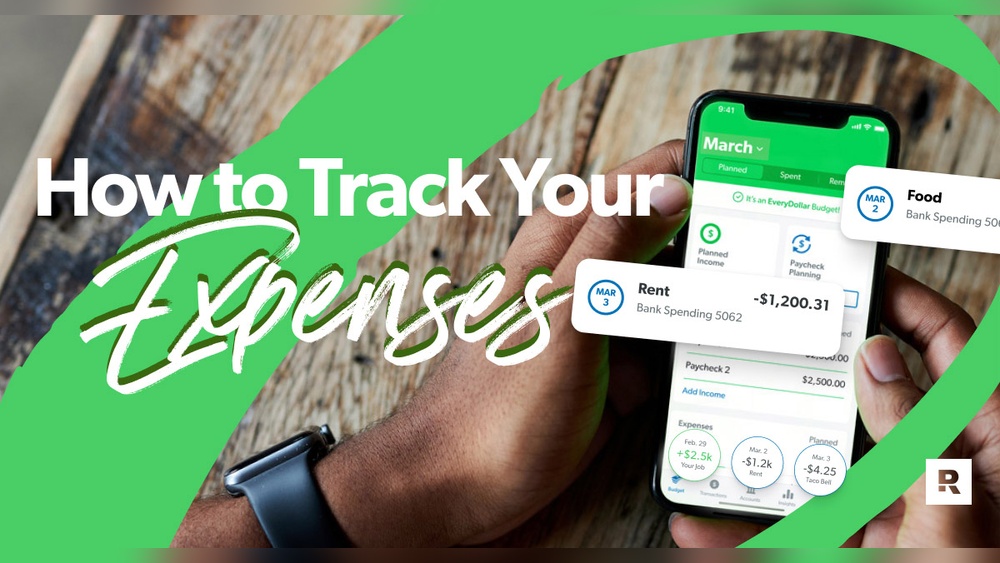
Mobile apps automate expense tracking. Many apps link to your bank account and credit cards. They categorize your spending for you. Apps send alerts when you go over budget. They are handy and fast for daily use. Choose an app with simple design for easy use.
Spreadsheet Solutions
Spreadsheets let you organize your expenses on a computer. You can create custom categories and formulas. Spreadsheets show totals and charts automatically. They require basic computer skills but offer flexibility. Many free templates are available online to get started.
Setting Up Your Expense Tracker
Setting up your expense tracker is the first step to managing your money better. A well-organized tracker helps you see where your money goes each month. It also makes saving easier and spending smarter.
Start with a simple system that fits your needs. Keep it clear and easy to update. This way, you stay motivated to track every expense without feeling overwhelmed.
Categorizing Your Expenses
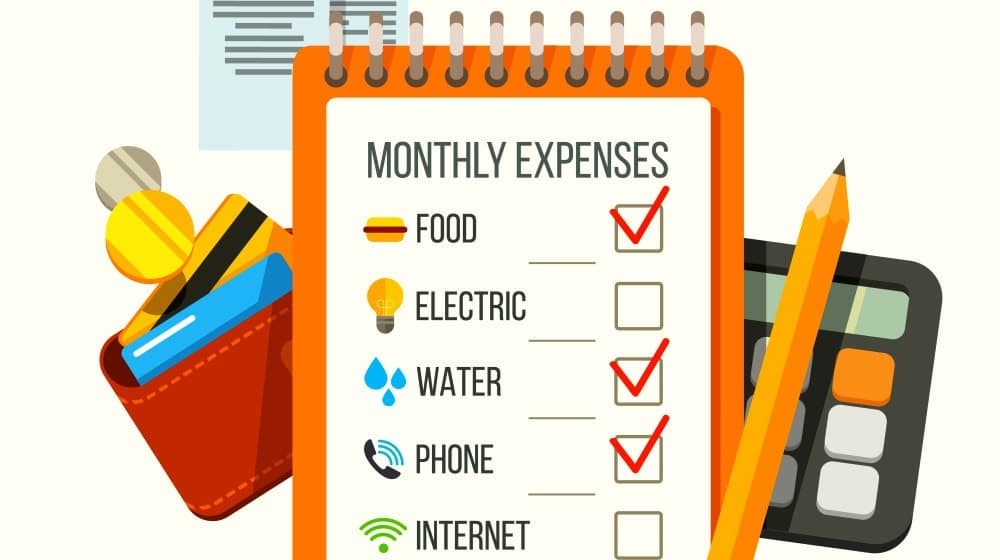
Group your expenses into categories like food, transport, and bills. Categories help you spot spending habits fast. Use broad groups first, then add smaller ones if needed. This keeps your tracker neat and useful.
Establishing A Budget
Set a spending limit for each category. Base it on your income and past expenses. A budget guides your spending and stops overspending. Adjust it monthly to stay realistic and flexible.
Recording Transactions Consistently
Write down each expense right after you spend. Consistent recording prevents missing entries and errors. Use a notebook, app, or spreadsheet—choose what works best for you. Regular updates keep your tracker accurate and helpful.

Credit: www.amazon.com
Tips To Make Tracking Easy
Tracking monthly expenses can feel like a big task. Simple tips make it easier and less time-consuming. Small changes to your routine help keep your budget on track and reduce stress.
Try these ways to make expense tracking simple and effective.
Automate Where Possible
Automation saves time and prevents mistakes. Use apps that link to your bank accounts. They track spending and categorize purchases automatically. Set alerts for bills and payments to avoid late fees. Automation keeps your records up to date without extra effort.
Reviewing Weekly Spending
Check your expenses each week, not just monthly. Weekly reviews spot problems early. They help you adjust before overspending happens. A quick glance at your spending keeps you aware of habits. This small habit leads to better money control.
Adjusting Categories As Needed
Expense categories may change over time. Update them to match your spending patterns. Clear categories make it easier to see where money goes. Combine small categories or split big ones if needed. Keeping categories relevant improves your budget’s accuracy.
Staying Motivated And Accountable
Staying motivated and accountable is key to tracking monthly expenses. Without motivation, it is easy to lose focus. Accountability helps keep spending habits on track. Simple steps can boost both motivation and accountability. This section offers easy methods to stay committed to your financial goals.
Setting Financial Goals
Clear goals give purpose to tracking expenses. Decide what you want to save or reduce. Write down your goals and review them often. Goals make spending choices easier. They help you stay focused and avoid impulse buys.
Using Alerts And Reminders
Alerts keep you aware of spending limits. Set reminders for bill payments and budget checks. Many apps offer notifications for overspending. Alerts prevent surprises and late fees. Reminders keep your budget in front of your mind.
Sharing Progress With A Partner
Talking about your spending helps stay accountable. Share your goals and progress with a trusted person. Partners can offer support and advice. They make the process less lonely. Sharing creates a commitment to stick with your plan.
Credit: bookkeepers.com
Analyzing Your Spending Patterns
Analyzing your spending patterns helps you understand where your money goes each month. It shows how much you spend on essentials and extras. This insight makes it easier to manage your money wisely. Tracking expenses is not just about numbers; it is about habits.
By studying your spending, you can find ways to save. You learn what costs are necessary and which ones you can reduce. This process also prepares you for future costs. Careful analysis leads to better money decisions.
Identifying Areas To Cut Back
Look at your monthly bills and receipts. Find categories with high spending, like dining out or subscriptions. These are often easy places to reduce costs. Small cuts in these areas add up over time. Focus on spending that does not affect your daily needs.
Recognizing Unnecessary Expenses
Some purchases do not add value to your life. Spot items or services you rarely use. Cancel or pause these expenses. Avoid impulse buys that seem small but add up quickly. Removing these helps keep your budget balanced.
Planning For Future Expenses
Some costs happen regularly but not every month. Examples include car maintenance or holiday gifts. Set aside money monthly for these future expenses. Planning ahead prevents financial stress. It ensures you have enough funds when the time comes.
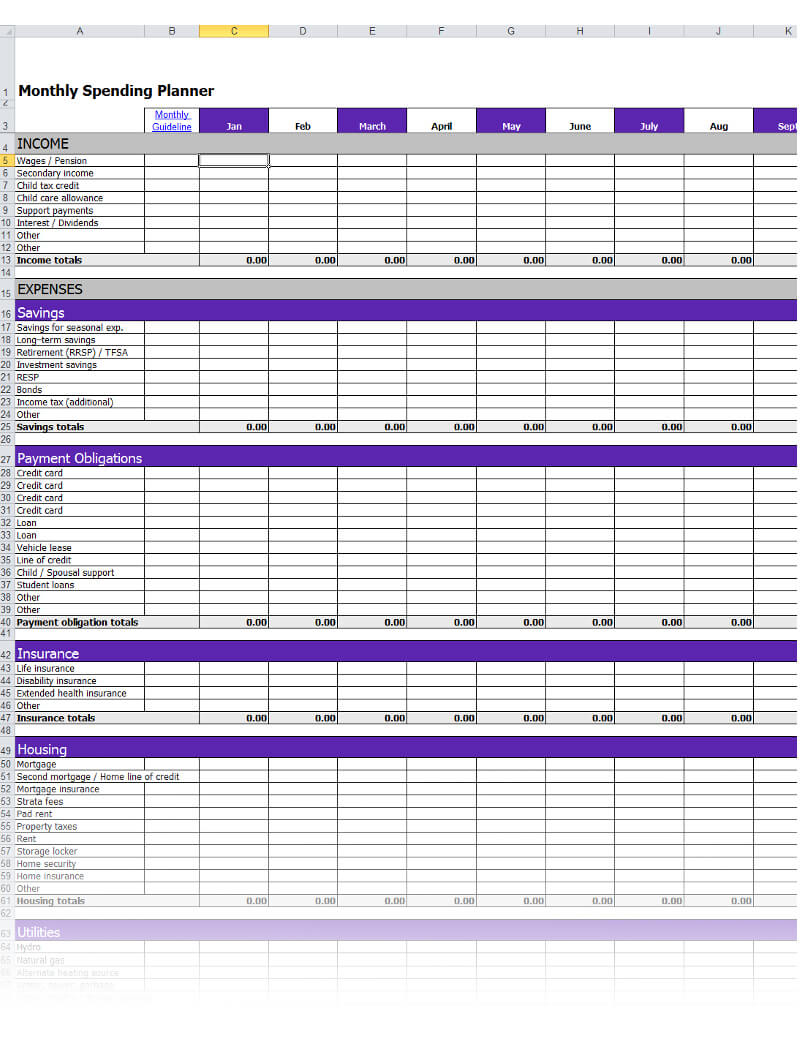
Credit: nomoredebts.org
Frequently Asked Questions
What Is The Easiest Method To Track Monthly Expenses?
The easiest method is using budgeting apps or spreadsheets. These tools automate calculations and categorize spending. They provide clear insights into where your money goes each month. This helps in managing finances efficiently and avoiding overspending.
How Can I Start Tracking Expenses Effectively?
Begin by recording all your expenses daily. Use a notebook, app, or spreadsheet to log amounts and categories. Consistency is key to understanding your spending habits. Regular tracking helps identify unnecessary costs and improve budgeting.
What Are The Benefits Of Tracking Monthly Expenses?
Tracking expenses helps control spending and increase savings. It reveals spending patterns and financial leaks. This practice improves budgeting accuracy and financial decision-making. It also reduces stress by giving clear insight into your money flow.
Which Tools Work Best For Monthly Expense Tracking?
Popular tools include apps like Mint, YNAB, and PocketGuard. Spreadsheets like Excel or Google Sheets also work well. Choose tools that suit your comfort level and financial goals. The right tool simplifies tracking and boosts financial awareness.
Conclusion
Tracking your monthly expenses does not have to be hard. Choose a simple method that fits your life. Write down or use an app to record every cost. Check your spending regularly to stay on track. This helps you save money and avoid surprises.
Small steps make a big difference over time. Start today and watch your money habits improve. Easy tracking leads to better control and less stress. You can do this with just a little effort each day.