Imagine waking up one day with an unexpected bill or an urgent expense that throws your whole budget off balance. How would you handle it?
Building an emergency fund from scratch might seem tough, but it’s the smartest way to protect yourself from financial stress. You’ll discover simple, practical steps to create a safety net that gives you peace of mind and control over your money.
Keep reading, because your future self will thank you for starting today.

Credit: onecentatatime.com
Why Emergency Funds Matter
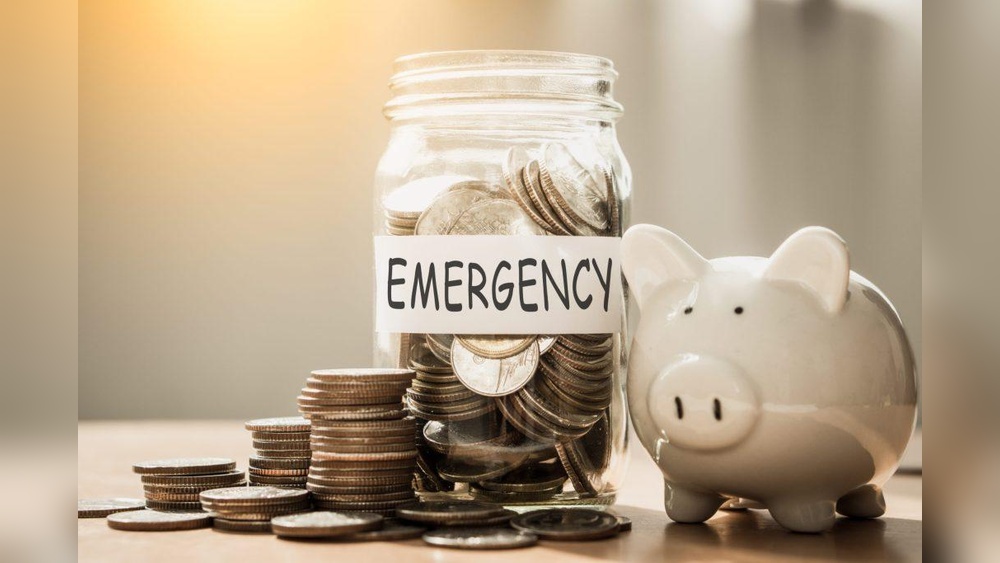
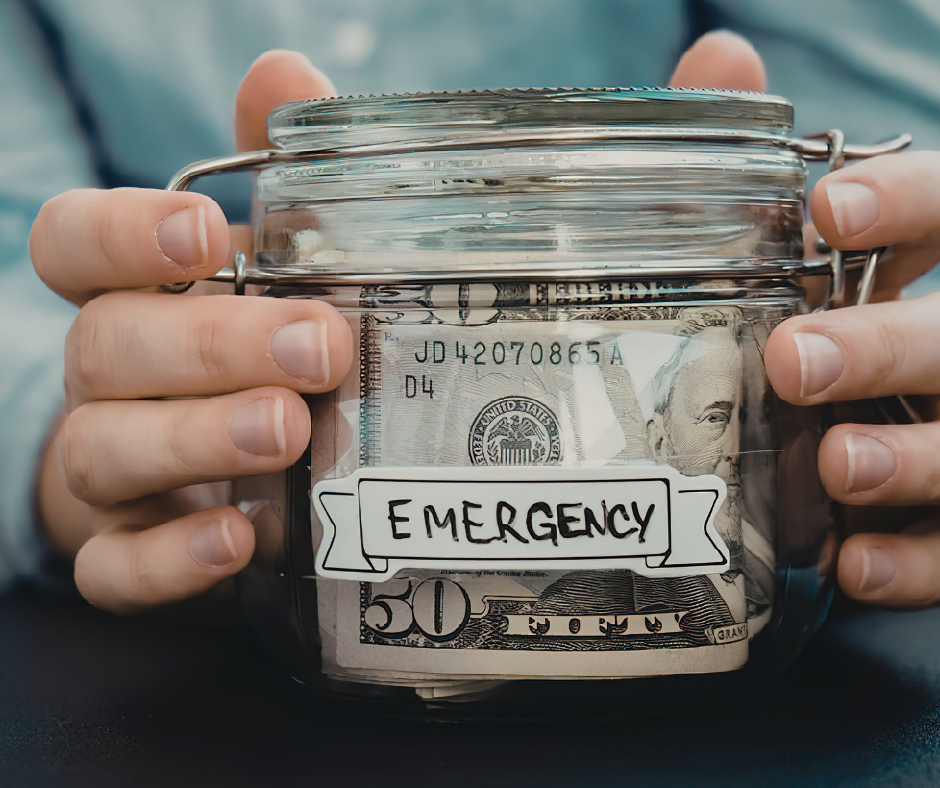
Emergency funds are crucial for financial well-being. They offer a safety net when life throws surprises. Without a fund, unexpected costs can hurt your budget badly. Saving a little at a time builds a cushion that protects you. This section explains why emergency funds are important.
Protecting Against Unexpected Expenses
Sudden expenses like car repairs or medical bills happen to everyone. An emergency fund covers these costs without borrowing money. It prevents debt and keeps your finances stable. Having cash ready means you handle surprises calmly and quickly.
Reducing Financial Stress
Money worries cause stress and affect health. An emergency fund reduces anxiety about bills and emergencies. Knowing you have money saved brings peace of mind. This calm helps you focus on daily tasks and long-term goals.
Building Financial Security
Saving for emergencies creates a strong financial base. It helps you avoid payday loans and high-interest debt. Over time, your fund grows, giving you more freedom. Financial security means you are ready for life’s ups and downs.
Credit: www.socu.com
Setting Realistic Savings Goals
Setting realistic savings goals is key to building an emergency fund. It helps you stay motivated and avoid frustration. Clear goals make saving less overwhelming. You can track progress and adjust plans easily. Start small and grow steadily for success.
Determining The Right Fund Size
Choose a fund size that fits your needs. Most experts suggest saving three to six months of expenses. Think about your job security and income stability. A more stable income may need a smaller fund. If your income varies, aim for a larger fund.
Assessing Monthly Expenses
List all your monthly costs carefully. Include rent, utilities, food, transportation, and debt payments. Count only essential expenses. Avoid adding wants or luxury costs. This list helps you find the exact amount needed monthly.
Adjusting Goals Over Time
Life changes, and so should your savings goals. Review your fund size every few months. Increase your goal if expenses rise. Lower it if you pay off debts or reduce costs. Adjusting keeps your fund useful and realistic.
Tracking Your Spending
Tracking your spending is the first step in building an emergency fund. It helps you see where your money goes each month. Without this, saving money becomes very hard. By knowing your habits, you can make smart choices to save faster.
Identifying Spending Patterns
Start by writing down every purchase you make. Small expenses add up. Notice how often you spend on coffee, snacks, or subscriptions. Spotting these patterns shows where your money leaks. Awareness helps control your spending better.
Cutting Non-essential Expenses
After finding your spending habits, look for things you don’t need. Skip extra treats, dining out, or unused memberships. Even small cuts can save a good amount over time. Focus on needs, not wants, to boost your savings.
Using Budgeting Tools
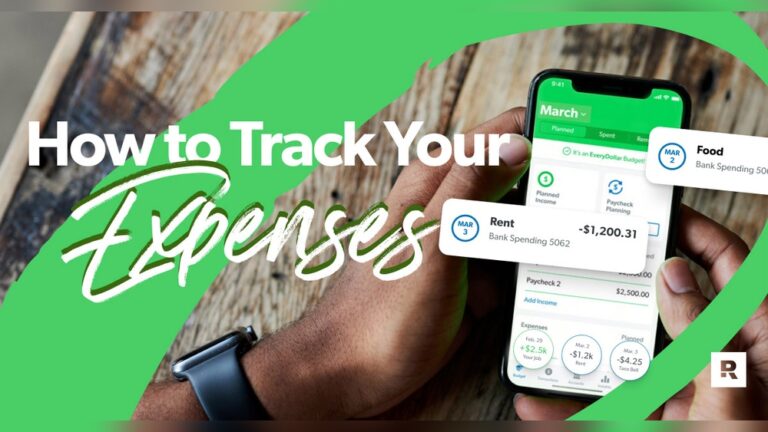
Use apps or spreadsheets to track your money. These tools organize your income and expenses clearly. They send alerts if you spend too much. Many apps also suggest ways to save. This keeps your budget on track easily.
Creating A Savings Plan
Creating a savings plan is the first step to building an emergency fund. It helps you save money regularly without stress. A clear plan makes saving easier and more consistent. Start small, then increase your savings over time. The key is to make saving a habit.
Automating Contributions
Set up automatic transfers from your checking account to savings. This ensures you save each month without thinking about it. Automation avoids the risk of spending money meant for saving. Choose a fixed amount that fits your budget. Increase the amount later as your finances improve.
Setting Up A Separate Account
Open a savings account just for your emergency fund. Keep this money separate from daily expenses. It reduces the temptation to spend your savings. Look for accounts with no fees and good interest rates. Track your progress easily when funds are in one place.
Prioritizing Savings In Your Budget
Include savings as a regular expense in your budget. Treat it like a bill that must be paid monthly. Cut back on small, unnecessary expenses to free up money. Focus on saving before spending on wants. This builds discipline and grows your emergency fund faster.
Boosting Savings Faster
Building an emergency fund takes time and effort. Boosting your savings faster helps you reach your goal sooner. Small changes can make a big difference. Focus on ways to increase income and lower expenses. Use any extra money wisely. This section shows three smart ways to speed up your savings.
Finding Additional Income Sources
Look for ways to earn extra money outside your main job. Try freelancing, part-time work, or selling items you no longer need. Use your skills to offer services like tutoring or pet sitting. Even small amounts add up over time. Put all extra earnings directly into your emergency fund.
Reducing Debt Payments
Lower your monthly debt payments to save more. Contact creditors to ask about lower interest rates or payment plans. Pay off high-interest debts first to reduce costs faster. Refinancing loans can also cut payments. Use the money saved on debt to boost your emergency fund.
Taking Advantage Of Windfalls
Windfalls are unexpected money like tax refunds, bonuses, or gifts. Instead of spending these, add them to your emergency fund. This helps your savings grow quickly without affecting your regular budget. Treat windfalls as a bonus for your financial safety net.
Maintaining Your Emergency Fund
Maintaining your emergency fund is just as important as building it. This fund acts as a safety net during tough times. Treat it with care and attention. Keep it ready for real emergencies only. This helps keep your finances stable and stress low.
Knowing When To Use It
Use your emergency fund only for urgent needs. These include job loss, medical bills, or major home repairs. Avoid spending it on regular expenses or wants. This keeps the fund intact for true emergencies. Always ask yourself if the expense is necessary and urgent.
Replenishing After Withdrawals
Replace the money you take out as soon as possible. Start adding small amounts back each month. This helps rebuild your fund quickly and steadily. Set a plan to refill it within a reasonable time. This keeps your safety net strong and ready for the future.
Reviewing Fund Size Regularly
Check your emergency fund size every six months. Life changes like new bills or income shifts can affect your needs. Adjust your fund to match your current situation. A good emergency fund covers three to six months of expenses. Keep this amount updated to stay protected.

Credit: www.chase.co.uk
Frequently Asked Questions
What Is The Best Way To Start An Emergency Fund?
Start by setting a small, achievable savings goal. Automate monthly transfers to a separate savings account. Consistency is key for building your fund over time.
How Much Should I Save In An Emergency Fund?
Aim to save three to six months’ worth of essential expenses. This covers unexpected costs like medical bills or job loss. Adjust based on your personal financial situation.
Where Should I Keep My Emergency Fund?
Keep your emergency fund in a high-yield savings account. It offers easy access and earns interest. Avoid investing it in risky or illiquid assets.
How Can I Save Money Quickly For Emergencies?
Cut non-essential expenses and track your spending. Use side gigs or sell unused items for extra cash. Prioritize building your emergency fund before other savings.
Conclusion
Building an emergency fund takes time and small steps. Start with a clear goal and save regularly. Even a little money adds up over time. Avoid spending your fund on non-emergencies. Keep your savings safe and easy to reach. This fund gives you peace and security.
Stay patient and consistent. Your future self will thank you.