
Are you tired of feeling like your paycheck disappears the moment it hits your account? Living paycheck to paycheck can make saving money seem impossible.
But what if you could start putting aside cash, even with a tight budget? You don’t need a big income or a financial expert to make it happen. This article will show you simple, practical steps to begin saving money today.
Stick with me, and you’ll discover how small changes can lead to real financial relief and peace of mind. Ready to take control of your money? Let’s dive in.
:max_bytes(150000):strip_icc()/paycheck-to-paycheck.asp-final-e42b0a5e80094168ae2de4133dc59e09.png)
Credit: www.investopedia.com
Assess Your Financial Situation
Assessing your financial situation is the first step to saving money while living paycheck to paycheck. You need a clear view of your money flow. This helps you find areas to save and reduce stress. Knowing where your money goes makes budgeting easier. It shows what you earn, spend, and owe. Start by tracking your income and expenses. Then, look for spending habits. Finally, calculate your debts and bills. This simple process sets a strong base for your savings plan.
Track Your Income And Expenses
Write down all sources of income. Include wages, side jobs, or any money you receive. Next, list every expense, no matter how small. Track bills, groceries, transport, and fun activities. Use a notebook, app, or spreadsheet. Do this for at least one month. This gives a clear picture of your money flow. Tracking helps spot where you can cut costs.
Identify Spending Patterns
Look closely at your tracked expenses. Notice where most of your money goes. Are there regular buys that are not needed? Do you spend more on dining out or online shopping? Spotting these habits helps find saving chances. Cut back on non-essential expenses first. Replace costly habits with cheaper or free options. Small changes add up over time.
Calculate Your Debt And Obligations
List all debts like credit cards, loans, or overdue bills. Note the total amount owed and monthly payments. Include regular bills like rent, utilities, and phone. Knowing these helps plan your budget better. High debt means you need to prioritize repayments. Reducing debt frees money for saving. Keep track of due dates to avoid penalties.
Create A Realistic Budget
Creating a realistic budget is the first step to saving money while living paycheck to paycheck. It helps you see where your money goes. This way, you control your spending instead of money controlling you.
Start by listing all your income and expenses. Be honest and detailed. A clear budget shows what is necessary and what can wait.
Prioritize Essential Expenses
Focus on paying for basics first. Rent, utilities, food, and transportation come before anything else. These keep your life stable.
Write down each essential bill and its due date. Pay them on time to avoid extra fees.
If money is tight, cut back on non-essentials. This frees up cash for necessities.
Set Small Savings Goals
Savings do not need to be large. Even small amounts add up over time. Try saving $5 or $10 each week.
Put savings in a separate account. This keeps it safe and hard to spend.
Celebrate small wins. Saving a little builds confidence and good habits.
Adjust Discretionary Spending
Look at your non-essential spending closely. Eating out, entertainment, and shopping can add up fast.
Cut back on these expenses step by step. Swap expensive habits for low-cost or free options.
Track your spending daily. This helps you stay on budget and avoid surprises.
Cut Unnecessary Costs
Cutting unnecessary costs is one of the best ways to start saving money. Small expenses can add up quickly and hurt your budget. Finding areas to trim helps free up cash for savings. Focus on regular spending habits and look for easy ways to spend less.
Reduce Subscription Services
Many people pay for subscriptions they rarely use. Check your monthly bills for streaming, magazines, or apps. Cancel any services you do not use often. Keep only the ones that bring real value. This simple step can save you money each month.
Limit Dining Out And Entertainment
Eating out and entertainment can drain your budget fast. Try cooking meals at home more often. Plan fun activities that cost little or nothing, like walking or free local events. Reducing these costs helps you save without feeling deprived.
Shop Smart And Use Coupons
Shopping smart means buying only what you need. Make a list before you go to avoid impulse buys. Use coupons and look for sales on essentials. Small discounts add up and keep more money in your pocket.
Build An Emergency Fund
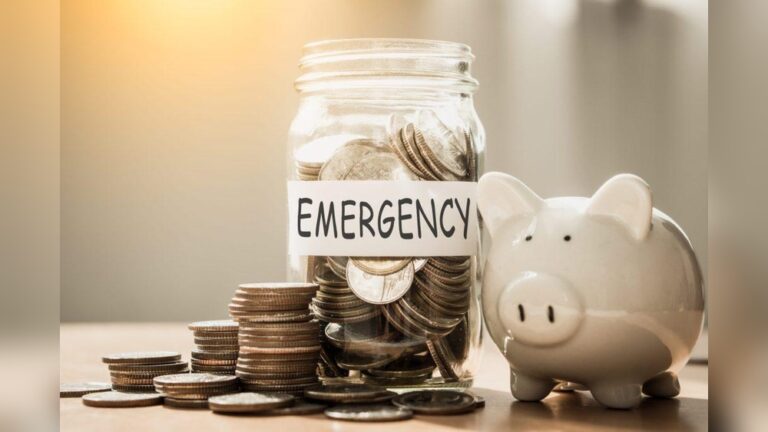
Building an emergency fund is one of the smartest steps to save money while living paycheck to paycheck. This fund acts as a safety net for unexpected costs, like car repairs or medical bills. Having money set aside reduces stress and helps avoid debt.
Starting an emergency fund may seem hard with a tight budget. Small, steady steps work best. Over time, these small savings add up and create financial security.
Start With Small Contributions
Begin by saving a small amount each week or month. Even $5 or $10 makes a difference. The key is consistency. Saving a little regularly grows your fund without hurting your budget.
Automate Savings
Set up automatic transfers to your emergency fund. Automation removes the need to remember saving. Money moves to your fund as soon as you get paid. This simple step helps build savings steadily.
Keep Funds Accessible
Keep your emergency money in a safe, easy-to-access place. A savings account with no withdrawal limits works well. Avoid tying funds in investments that take time to cash out. Quick access ensures you can use it when needed.
Increase Your Income
Increasing your income is a powerful way to start saving money, especially if you live paycheck to paycheck. Earning more money can ease financial stress and build your savings faster. Even small boosts in income can make a big difference over time. Here are some practical ways to increase your income and save more.
Explore Side Hustles
Side hustles offer extra money without quitting your job. Think about skills you have or hobbies you enjoy. Freelancing, tutoring, or delivering food are popular side jobs. These options give you flexible hours and extra cash. Starting a side hustle can create a steady income stream.
Ask For Raises Or Promotions
Your current job may pay more than you think. Prepare a list of your achievements and contributions. Schedule a meeting with your manager to discuss a raise or promotion. Being confident and clear helps you make your case. A raise increases your regular income, boosting your savings.
Sell Unused Items
Look around for items you no longer need. Clothes, electronics, and furniture can bring extra cash. Use online marketplaces or local sales to sell these items. Selling unused belongings declutters your home and adds money to your savings. This quick method helps you raise funds without extra work.
Manage Debt Wisely
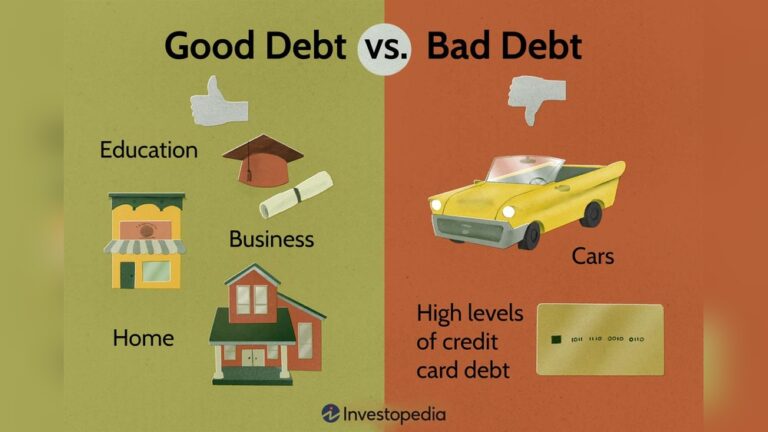
Managing debt is a key step in starting to save money on a tight budget. Debt can take a big part of your income. Learning how to handle it wisely frees up money for savings. Small changes in managing debt can make a big difference over time.
Focus on paying off your debts smartly. This reduces the money lost to interest and stops debt from growing. It also helps build your credit score, which is important for future loans or rentals.
Focus On High-interest Debt First
High-interest debt costs you more each month. Credit cards and payday loans often have the highest rates. Paying these off first saves the most money. Put extra funds towards these debts while making minimum payments on others. This reduces the total interest you pay.
Consider Debt Consolidation
Debt consolidation means combining multiple debts into one payment. This can lower your interest rate. It also makes it easier to keep track of payments. Look for loans or credit cards with low rates to consolidate. This can help reduce monthly payments and avoid missed bills.
Avoid Accumulating New Debt
New debt adds stress and slows your savings plan. Use cash or debit cards to control spending. Avoid buying things you don’t need or can’t pay off quickly. Keep track of your budget and stick to it. Saying no to new debt keeps your finances stable.
Stay Motivated And Accountable
Staying motivated and accountable is key to saving money, especially if you live paycheck to paycheck. It keeps you focused on your goals. It helps you avoid giving up when things get tough. You need a plan to keep your spirits high and your actions consistent. Below are ways to maintain your drive and stay on track.
Track Progress Regularly
Check your savings often. Use a notebook or an app to write down what you save. Seeing your progress helps you feel proud. It shows how small steps add up over time. Tracking also helps you spot problems early. You can adjust your plan if needed.
Celebrate Small Wins
Reward yourself for every little success. It can be as simple as a favorite meal or a short break. These rewards make saving feel good. They remind you that your effort matters. Small wins build confidence and keep you going.
Seek Support From Friends Or Groups
Talk about your saving goals with friends or family. They can give advice and cheer you on. Join a group with similar goals for extra support. Sharing your journey makes you less alone. It also creates a sense of commitment to keep saving.

Credit: paylesspower.com

Credit: www.carolinevencil.com
Frequently Asked Questions
How Can I Start Saving Money On A Tight Budget?
Begin by tracking your expenses to identify savings opportunities. Cut non-essential spending and set small, achievable goals. Even saving a few dollars weekly builds habits and funds over time.
What Are Effective Ways To Budget Paycheck To Paycheck?
Create a detailed budget listing income and expenses. Prioritize essentials like rent and food. Allocate a small amount for savings. Review and adjust monthly to stay on track.
How Do I Build An Emergency Fund Living Paycheck To Paycheck?
Start with a small, manageable amount, like $5 to $10 weekly. Use automatic transfers to a separate savings account. Gradually increase contributions as your budget allows.
Can Meal Planning Help Save Money Each Month?
Yes, meal planning reduces food waste and impulse buys. Plan meals around sales and seasonal produce. Cooking at home saves more than eating out frequently.
Conclusion
Saving money while living paycheck to paycheck is possible. Start small and stay consistent. Track your expenses to find where money goes. Cut unnecessary costs bit by bit. Set a realistic savings goal each month. Use simple tools like jars or apps to save.
Celebrate small wins to stay motivated. Over time, these habits build a stronger financial foundation. Keep going, even when progress feels slow. Every dollar saved brings you closer to financial peace.