What happens to your money if inflation keeps rising? You might think your savings are safe, but rising inflation can quietly shrink their value.
Imagine your paycheck buying less each month or your investments losing ground without you realizing it. Understanding how inflation affects your money is crucial to protecting your financial future. Keep reading to discover what inflation really means for you and how to stay ahead before it’s too late.
How Inflation Erodes Purchasing Power
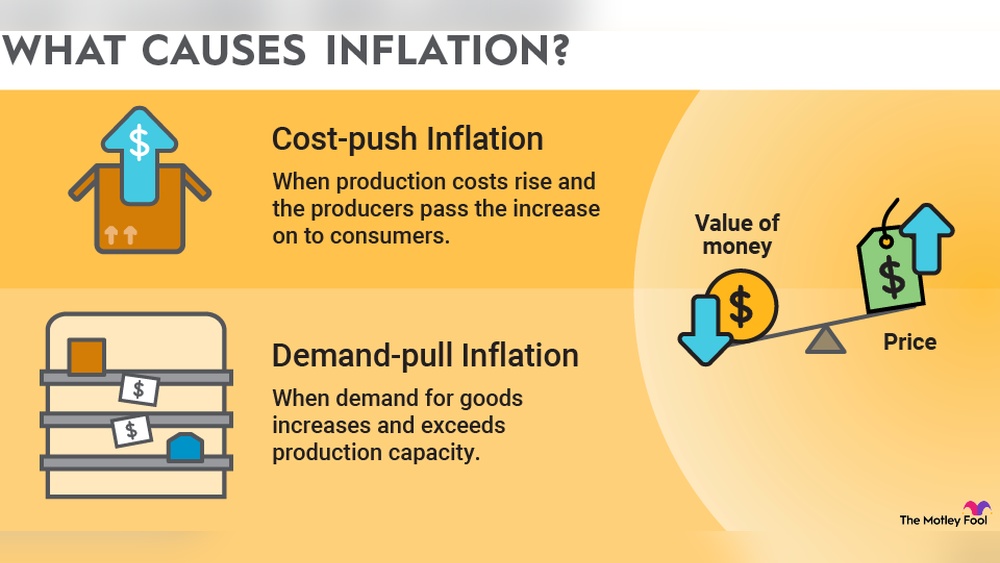
Inflation means prices of goods and services go up over time. This rise affects the value of money. The same amount of money buys less than before. This loss in value is called erosion of purchasing power. Understanding this helps manage money better in times of rising inflation.
Impact On Everyday Expenses
Everyday items like food, gas, and clothing cost more during inflation. People notice their bills growing higher each month. Small expenses add up quickly, squeezing budgets tight. Families may need to cut back on non-essential purchases. This makes it harder to maintain the same lifestyle.
Prices rise faster than wages in many cases. This gap reduces how much people can buy with their paychecks. Buying power shrinks, making daily life more expensive. Planning and budgeting become necessary to avoid financial stress.
Long-term Effects On Savings
Savings lose value if inflation is higher than interest earned. Money saved in a bank may buy less in the future. This can hurt retirement plans and other long-term goals. People might need to save more to reach the same targets.
Investments that do not keep pace with inflation also lose value. Inflation reduces the real return on savings and investments. Protecting savings requires choosing options that grow faster than inflation. Otherwise, money saved today won’t hold its worth tomorrow.
:max_bytes(150000):strip_icc()/what-is-hyperinflation-definition-causes-and-examples-3306097-Final-8d6cfcc192734da091ea89f861e23d61.jpg)
Credit: www.thebalancemoney.com
Inflation And Investment Risks
Rising inflation creates risks for many investments. It affects the value and returns of assets differently. Understanding these risks helps protect your money and make smarter choices.
Stocks And Bonds Under Pressure
Inflation can reduce the value of stocks and bonds. Companies face higher costs, which may lower profits. Investors might sell stocks, causing prices to fall.
Bonds pay fixed interest, so inflation lowers their real returns. Rising rates often push bond prices down. This creates risks for bondholders during inflation spikes.
Real Estate And Inflation
Real estate often acts as a hedge against inflation. Property values and rents tend to rise with inflation. This can help investors keep up with rising costs.
Still, high inflation can increase borrowing costs. Higher mortgage rates may slow down the real estate market. Investors must watch these factors carefully.
Safe Havens During Inflation Spikes
Some assets hold value better during inflation spikes. Precious metals like gold often keep their worth. They act as a store of value when prices climb.
Other options include inflation-protected securities. These investments adjust payments based on inflation changes. They offer a way to protect income from losing value.
The Role Of Interest Rates
Interest rates have a big impact on money during inflation. They affect how much borrowing costs and how much saving earns. When inflation rises, interest rates usually change too. This helps control the economy and protect the value of money.
Interest rates act like a tool for managing inflation. Higher rates can slow down spending and borrowing. Lower rates can encourage people to spend and invest more. Understanding this role helps see what happens to your money as inflation changes.
Central Banks And Inflation Control
Central banks set interest rates to manage inflation. They watch price changes and adjust rates to keep inflation stable. When inflation rises fast, central banks raise interest rates. This makes loans more expensive and slows spending. Slower spending helps lower inflation over time.
Central banks use interest rates to balance the economy. They want to avoid high inflation and deep recessions. By raising or lowering rates, they try to keep prices steady. This protects the buying power of your money.
Effect On Loans And Mortgages
Interest rates affect loans and mortgages directly. When rates rise, monthly payments on new loans increase. This means borrowing costs more money. People may borrow less and spend less on big purchases.
For those with fixed-rate loans, payments stay the same. But new loans and variable-rate loans get more expensive. Higher rates can slow down the housing market and reduce demand for loans. This helps cool inflation but can also limit access to credit.
Credit: www.bankrate.com
Strategies To Protect Your Money
Rising inflation can erode your money’s value. Protecting your savings and investments is vital. Smart strategies help shield your money from inflation’s impact. These steps keep your finances stable and growing over time.
Diversifying Your Portfolio
Diversify by spreading investments across different assets. Stocks, bonds, real estate, and commodities balance risk. Some assets perform better during inflation. Diversification reduces the chance of losing money. It keeps your portfolio flexible and resilient.
Investing In Inflation-protected Assets
Consider assets designed to beat inflation. Treasury Inflation-Protected Securities (TIPS) rise with inflation. Real estate and commodities often increase in value too. These investments help maintain your purchasing power. They offer safer growth during inflationary periods.
Adjusting Spending And Saving Habits
Review your budget regularly and cut unnecessary expenses. Save more to counteract rising prices. Prioritize needs over wants to stretch your dollars. Avoid debt that grows faster than inflation. Smart spending habits preserve your financial health.
Unexpected Consequences Of Rising Inflation
Rising inflation affects more than just prices. It changes many parts of daily life and financial plans. Some effects may surprise you and impact your money in ways you do not expect. Understanding these changes can help you prepare better.
Impact On Retirement Plans
Inflation reduces the value of saved money over time. Retirement savings may buy less than planned. People might need to save more or work longer. Fixed income from pensions loses power. Adjusting retirement plans becomes necessary to maintain comfort.
Changes In Consumer Behavior
Higher prices make people spend less or choose cheaper options. Consumers avoid big purchases and cut back on non-essential items. Saving habits may increase as people prepare for harder times. Buying habits shift quickly, affecting many businesses.
Government Policies And Tax Adjustments
Governments may change policies to control inflation. Tax brackets can be adjusted, impacting take-home pay. Social benefits might increase but not always match inflation rates. New rules may affect savings and investments. Staying informed about policy changes is important.
:max_bytes(150000):strip_icc()/GettyImages-21581859271-83f8fb3192e447bc952500d9a58c5145.jpg)
Credit: www.investopedia.com
Frequently Asked Questions
What Happens To Savings When Inflation Rises?
Rising inflation reduces your money’s purchasing power. Savings lose value over time if interest rates are lower than inflation. It’s important to invest in assets that outpace inflation to protect your savings.
How Does Inflation Affect Everyday Expenses?
Inflation increases prices of goods and services. This means your daily expenses, like groceries and fuel, will cost more. Budgeting becomes crucial to manage higher living costs during inflationary periods.
Can Inflation Impact Investment Returns?
Yes, inflation can erode real investment returns. If your investments don’t grow faster than inflation, you lose buying power. Diversifying into inflation-protected assets helps maintain your portfolio’s value.
Does Inflation Affect Wages And Salaries?
Inflation can lead to higher wages as employers adjust pay to match rising costs. However, wage growth often lags behind inflation, reducing real income and purchasing power for many workers.
Conclusion
Rising inflation affects the value of your money daily. It reduces what your savings can buy over time. Prices go up, but income may stay the same. This means budgeting becomes more important than ever. Smart choices help protect your financial future.
Consider ways to grow your money wisely. Stay informed and adjust your plans often. Small steps now can make a big difference later. Inflation is a challenge, but you can manage it well.